
Ever looked in the mirror and felt like your skin suddenly looks tired, dull, or less bouncy? You are not imagining it. Aging, stress, sun exposure, and lifestyle all affect how your skin behaves. This is exactly where peptides in skincare step in as tiny messengers that help your skin perform better from within.
Think of peptides as microscopic architects working behind the scenes. They help guide your skin cells, support collagen, and keep everything functioning smoothly. If skincare ingredients had a secret handshake, peptides would be leading the conversation.
Peptides are short chains of amino acids. Amino acids are the building blocks of proteins such as collagen, elastin, and keratin. These proteins are essential for firm skin, strong hair, and resilient nails.
In simple terms, peptides act like messengers. They tell your skin what to do and when to do it. As we age, the natural signals that trigger collagen production slow down. Because of this, the skin starts losing firmness and elasticity. Peptides in skincare help send new signals that encourage skin to behave in a more youthful way.
Research in cosmetic dermatology shows that peptides can support skin repair, hydration, and overall texture improvement when used in topical products.

Not all peptides work the same way. Scientists classify cosmetic peptides into several categories based on how they interact with skin cells.
Signal peptides are known for encouraging collagen and elastin production. These proteins give skin its firmness and bounce. As natural collagen production slows with age, signal peptides help stimulate the skin to produce more.
Over time, this can help improve skin texture and reduce the appearance of fine lines.
Carrier peptides deliver trace elements such as copper directly into the skin. Copper peptides are widely studied for wound healing and antioxidant properties.
They support collagen formation and help protect skin from environmental stressors. This makes them valuable in anti aging and repair focused skincare routines.
External reference suggestion: PubMed research on copper peptides and skin healing.
Some enzymes in the skin break down collagen faster than we would like. Enzyme inhibiting peptides help slow this process. As a result, they support the skin’s existing structure and reduce the visible effects of aging.
These peptides influence how facial muscles contract. They may help reduce the appearance of expression lines caused by repeated facial movements. While they are not comparable to cosmetic procedures, studies show they may soften the look of wrinkles with consistent use.
Collagen is the most abundant protein in the body. It provides structure, strength, and firmness to the skin. Unfortunately, collagen production naturally decreases with age.
This decline leads to fine lines, thinner hair, and brittle nails. Peptides in skincare support collagen by providing the skin with amino acids and signaling molecules that encourage collagen synthesis.
It is important to understand that topical collagen does not replace the collagen in your skin. Instead, collagen peptides may help hydrate the skin and support protective functions such as reducing oxidative stress and glycation.
Glycation occurs when sugar molecules attach to collagen and make it stiff. This process contributes to visible aging. Antioxidant support can help slow this process.
Environmental stressors such as pollution and UV exposure create oxidative stress. This damages skin cells and accelerates aging.
Peptides may help strengthen the skin barrier and support its natural repair process. Over time, this can result in smoother and more resilient skin.
Biotin, also known as vitamin B7, supports keratin production. Keratin is the main protein that forms hair and nails. A biotin deficiency can lead to brittle nails and fragile hair.
Dermatology research shows that biotin supplementation may help people experiencing nail brittleness or hair thinning related to deficiency.
Although biotin is often marketed as a miracle solution, it works best when the body actually needs it. In skincare, biotin is used to support healthy skin cell function and improve dryness or irritation.
Peptides have gained popularity because they address aging at the cellular level. Instead of masking concerns, they support how skin functions.
Benefits of peptides in skincare may include:
These benefits appear gradually with consistent use. Skincare is a long term investment rather than an instant fix.
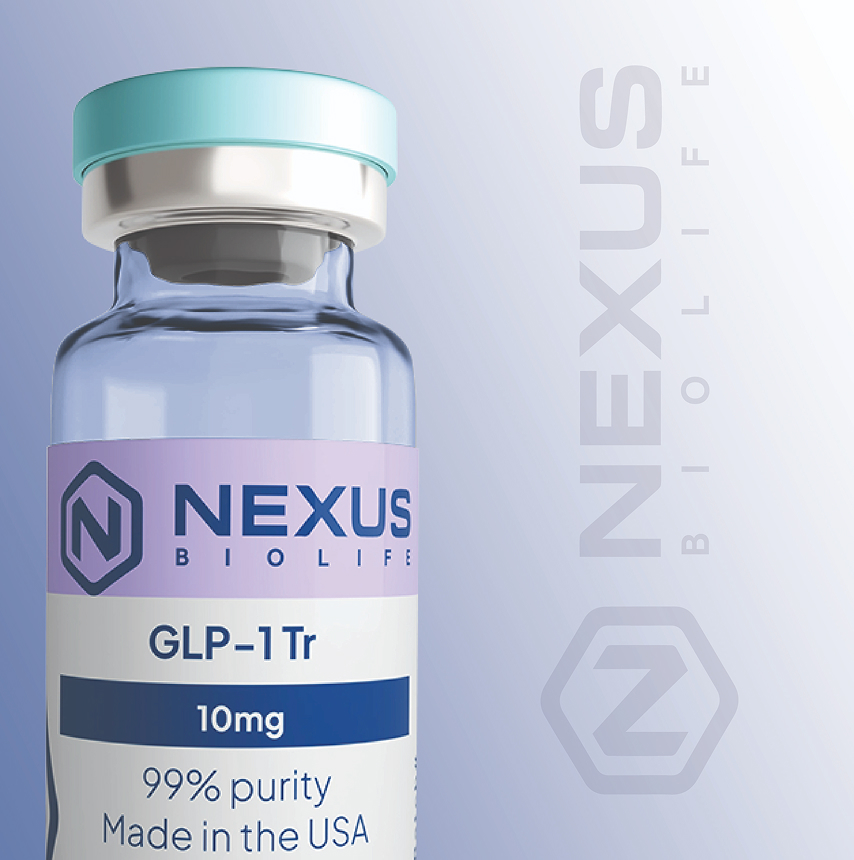
The skincare industry is growing quickly. However, not all products are created equal. Some online sellers promote research grade peptides that are labeled not for human consumption.
This area is often called the grey market. These products may lack proper testing, quality control, or ingredient verification. Using unregulated products can lead to irritation, contamination, or ineffective results.
Always choose reputable brands with transparent ingredient lists and clinical testing. Your skin deserves safety and reliability.
Adding peptides into a routine is simple. They work well with most ingredients and are suitable for daily use.
Tips for beginners:
Consistency is the secret to visible improvements.
Cosmetic science continues to evolve. Researchers are studying new peptides that may target pigmentation, hydration, and barrier repair more effectively.
The future of skincare is moving toward intelligent ingredients that work with the body rather than against it. Peptides represent a major step in this direction.
Understanding how these ingredients function helps you make informed skincare choices.
Your skin’s story is still being written. With the right ingredients and a little curiosity, that story can become a glowing one.
All human research MUST be overseen by a medical professional.