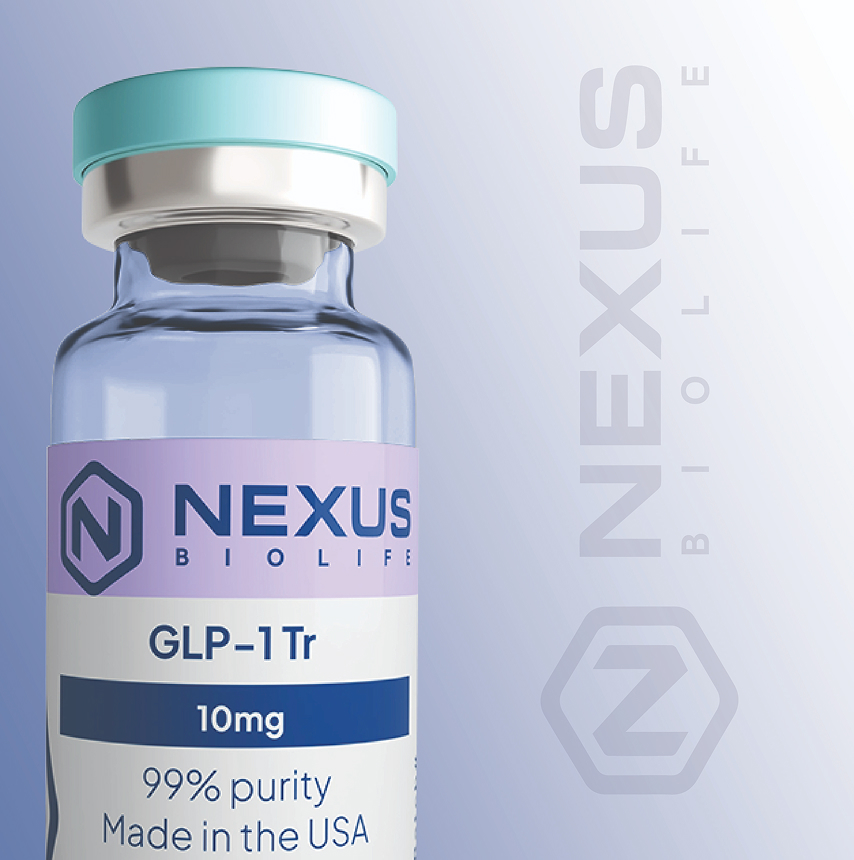


The Uncharted Territory of Peptides sits at the intersection of scientific promise and legal uncertainty. Once limited to academic research labs and tightly controlled pharmaceutical pipelines, peptides have now entered the mainstream wellness conversation.
They appear in online marketplaces, influencer content, and personal refrigerators. This rapid shift has created excitement, but it has also exposed serious regulatory gaps. As peptides move faster than policy, researchers, startups, and compliance professionals are forced to operate in a space filled with unanswered legal and safety questions.
At the center of the Uncharted Territory of Peptides is a simple but critical issue. Many peptides currently sold for injection or self use have not been approved by the U.S. Food and Drug Administration. Without proper approval, these substances exist in a legal gray zone that carries real risks for both consumers and businesses.
To understand the Uncharted Territory of Peptides, it is important to understand how the FDA defines and regulates drugs. Under the Federal Food, Drug, and Cosmetic Act, a drug includes any substance intended to diagnose, treat, cure, mitigate, or prevent disease. It also includes substances intended to affect the structure or function of the body.
Many peptides marketed in the wellness space clearly fall under this definition. Claims related to recovery, metabolism, fat loss, muscle growth, or tissue repair strongly suggest an intent to affect bodily function. As a result, the FDA considers many of these peptides to be unapproved new drugs.
This designation matters. Before a drug can be legally sold in the United States, it must pass rigorous clinical trials that demonstrate safety and effectiveness for a specific use. Most wellness market peptides have not completed this process. Therefore, their sale and promotion create regulatory exposure and potential enforcement risk.
Compounding pharmacies often appear in discussions about the Uncharted Territory of Peptides. These pharmacies play a legitimate role in healthcare by preparing customized medications for individual patients when commercially available options do not meet medical needs. However, compounding is not a free pass.
Federal rules place strict limits on what pharmacies can compound. They generally cannot create copies of approved drugs, compound substances that appear on the FDA’s difficult to compound list, or use bulk drug substances without proper justification. They are also expected to compound only when there is a legitimate medical need supported by a prescription.
The FDA has issued multiple warnings to companies compounding or selling peptides such as semaglutide, tirzepatide, and retatrutide outside of these boundaries. These actions make it clear that regulators are actively monitoring peptide activity and are willing to intervene when lines are crossed.

One of the most controversial aspects of the Uncharted Territory of Peptides is the widespread use of the label “for research use only.” On paper, this designation applies to substances intended for laboratory research, including in vitro or animal studies. In practice, it is often used as a shield to sell peptides directly to consumers.
This creates a dangerous mismatch between labeling and reality. Products sold as research chemicals are not required to meet the same standards for sterility, purity, or dosing accuracy as approved drugs. Yet many buyers self administer these substances without medical supervision.
Regulators have repeatedly stated that disclaimers do not override actual use. If a product is marketed or reasonably expected to be used by humans, it can still be regulated as a drug. This makes the misuse of research labeling one of the most fragile legal defenses in the peptide market.
The Uncharted Territory of Peptides is especially visible in performance and biohacking communities. Athletes, fitness enthusiasts, and longevity seekers are drawn to peptides because of their role as signaling molecules in the body. Research has explored peptides that influence growth hormone release, tissue signaling, metabolic regulation, and cellular repair pathways.
Preclinical studies have investigated how certain peptides interact with biological systems such as AMPK, mTOR, mitochondria, and hormone receptors. These pathways play important roles in energy balance, muscle adaptation, and recovery. However, most of this research remains early stage or limited to non human models.
Without controlled human trials, translating these findings into self administered wellness practices introduces serious uncertainty. The promise of optimization often overshadows the absence of long term safety data.
The gray market is one of the most dangerous features of the Uncharted Territory of Peptides. Products sold through unverified online vendors or informal distribution channels often lack basic quality controls.
Common risks include contamination with bacteria or heavy metals, inconsistent dosing between batches, and misidentified compounds. In some cases, laboratory testing has shown that products contain little or none of the peptide listed on the label. In others, they contain entirely different substances.
Because many of these peptides have not been studied extensively in humans, even correct dosing carries unknown risks. Potential outcomes include allergic reactions, metabolic disturbances, hormonal imbalances, and long term side effects that have not yet been documented.
For startups, researchers, and investors, the Uncharted Territory of Peptides offers an important lesson. Innovation without compliance is fragile. Sustainable progress in this space requires alignment with regulatory frameworks, not avoidance of them.
That means investing in proper clinical research, working closely with regulators, and resisting the temptation to shortcut approval pathways. Transparency in manufacturing, labeling, and marketing is not only a legal requirement but also a trust building tool.
For compliance professionals, the peptide market demands constant attention. Enforcement priorities evolve quickly, and marketing tactics change even faster. Understanding how peptides are positioned, sold, and discussed online is essential for risk management.
The Uncharted Territory of Peptides will not remain uncharted forever. As research advances and regulatory clarity improves, some peptides may earn legitimate approval and defined medical use. Others may disappear under enforcement pressure.
What matters now is how the industry responds. Moving away from hype and toward evidence based medicine protects consumers and strengthens innovation. Regulation does not block progress. It gives progress a foundation.
Until then, peptides remain powerful molecules operating in a space where science, law, and wellness culture collide.
Compliance is strategy. Staying informed is not optional.