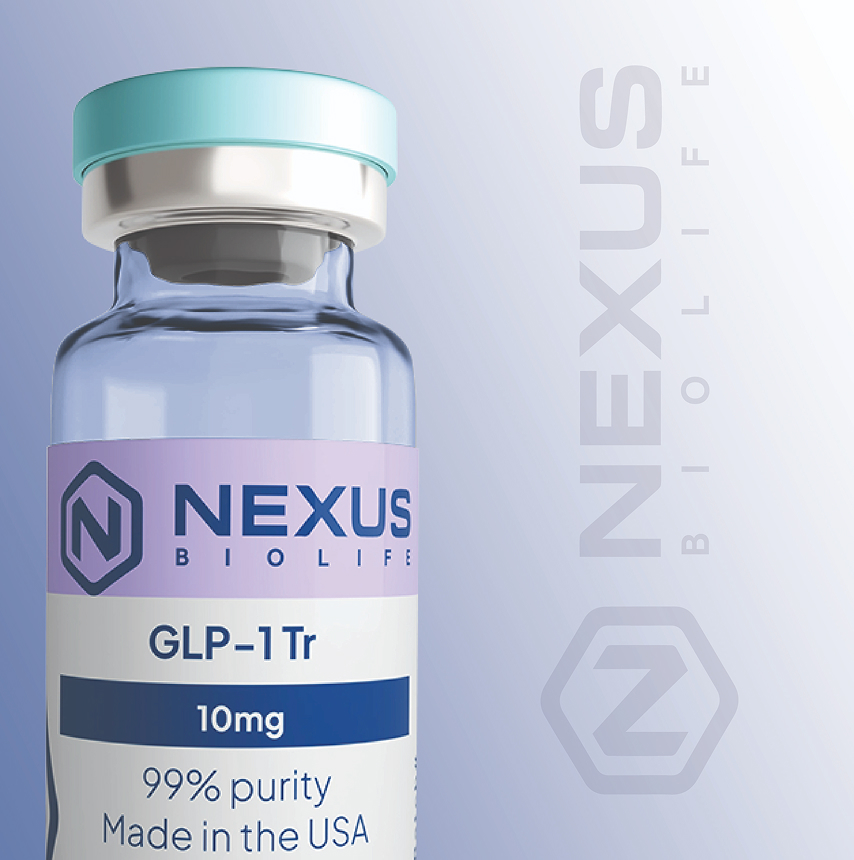


Experimental peptide regulation has become one of the most debated topics in modern biological research. As interest in experimental peptides grows, regulatory clarity struggles to keep pace. These short chains of amino acids attract attention for their signaling roles in the body and their potential applications in research environments. However, growing public access has pushed experimental peptide regulation into uncertain legal territory.
Across innovation hubs and research communities, peptides often appear under labels like “for research use only.” While that phrase sounds harmless, it carries serious legal weight. When experimental peptide regulation is misunderstood or ignored, it creates real compliance risks for researchers, startups, vendors, and individuals.
To understand why this space is so complex, we need to examine how experimental peptide regulation actually works.
Experimental peptide regulation draws a clear line between approved drugs and research compounds. Regulatory agencies require any substance marketed for human use to undergo a strict approval process. That process evaluates safety, effectiveness, manufacturing standards, and clinical outcomes.
In contrast, research use only peptides exist solely for laboratory work. These compounds support in vitro or animal studies, not human use. Experimental peptide regulation allows their sale only under the assumption that researchers will not administer them to people.

This distinction matters because research use only products do not require the same manufacturing controls as approved medications. They may lack Good Manufacturing Practice certification. Once these compounds move outside controlled research environments, experimental peptide regulation becomes compromised.
That is where the grey market emerges.
Experimental peptide regulation is enforced primarily through how products are marketed. The FDA focuses less on the compound itself and more on the claims made about it.
When a seller implies that a research peptide can improve health, enhance performance, or treat disease, it triggers enforcement. Even subtle language can cross regulatory lines. Under experimental peptide regulation, intent matters as much as action.
The FDA has issued multiple warning letters to companies selling unapproved peptide products. These actions reinforce one message. Research use only does not mean consumer use is allowed.
For businesses, ignoring experimental peptide regulation can lead to severe consequences. These include product seizures, injunctions, fines, and criminal charges in extreme cases.
The grey market thrives where experimental peptide regulation weakens. Online vendors often sell peptides labeled as research grade while operating with minimal oversight. Buyers may assume purity and accuracy, but those assumptions are risky.
Without regulatory controls, purity levels may vary. Labels may not match contents. Dosages may be inconsistent. Contamination risks increase.
Experimental peptide regulation exists to prevent exactly these outcomes.
In research settings, scientists handle uncertainty through controlled environments and ethical oversight. In the grey market, those safeguards disappear. As a result, individuals expose themselves to unknown biological effects.
Interest in experimental peptides often intersects with performance culture. Some compounds attract attention for their role in tissue repair, recovery, or cellular signaling. Researchers explore these effects in preclinical models to understand biological pathways.
However, experimental peptide regulation draws a hard boundary between observation and application. Findings from animal or cell studies do not translate directly into safe human use.
Without clinical trials, long term effects remain unknown. Interactions with medications remain unclear. Proper dosing remains unverified.
When performance seekers bypass experimental peptide regulation, they accept risks without protections.
Experimental peptide regulation also affects liability. Medical professionals face serious exposure when unapproved compounds enter patient care. Most malpractice insurance policies exclude coverage for experimental or non approved substances.
For startups and vendors, liability can escalate quickly. If harm occurs, courts examine whether experimental peptide regulation was followed. Failure to comply often strengthens claims of negligence.
Even individuals face consequences. Purchasing or using research compounds for personal use can violate federal regulations.
Compliance is not optional. It is foundational.
Responsible innovation depends on respecting experimental peptide regulation. For researchers, that means following institutional review board protocols and ethical research standards. Human studies require oversight, informed consent, and regulatory approval.
For startups, it means committing to proper drug development pathways. This includes preclinical testing, controlled manufacturing, and phased clinical trials. While the process is slow and expensive, it protects both users and businesses.
Experimental peptide regulation exists to ensure science benefits people without causing harm.
Some view regulation as an obstacle. In reality, experimental peptide regulation offers a strategic advantage. Companies that follow regulatory pathways build credibility, attract investment, and reduce legal risk.
In contrast, grey market operators face instability. Enforcement actions can shut down operations overnight. Trust erodes quickly.
The market will continue to split. One side will pursue legitimate pharmaceutical development. The other will remain unregulated and high risk.
Long term success belongs to those who respect experimental peptide regulation.
Experimental peptide regulation continues to evolve. Agencies update guidance as new compounds emerge. Researchers publish findings that shape future policy. Legal interpretations shift as cases move through courts.
Staying informed is essential. Rely on peer reviewed research. Follow regulatory announcements. Engage qualified medical and legal professionals.
Most importantly, avoid shortcuts. In biological science, shortcuts often lead to harm.
Experimental peptide regulation sits at the intersection of innovation, ethics, and law. While peptides offer exciting research possibilities, regulation exists for a reason. It protects health, ensures accountability, and preserves scientific integrity.
Those who respect experimental peptide regulation position themselves for sustainable success. Those who ignore it gamble with safety and legality.
Compliance is not a limitation. It is a strategy.
All human research MUST be overseen by a medical professional.
¹ U.S. Food and Drug Administration. (2024). Drug Approval Process. Retrieved from https://www.fda.gov/drugs/development-approvalprocess/drug-approval-process
² U.S. Food and Drug Administration. (2023). FDA Warns Companies Illegally Selling Unapproved Peptide Products. Retrieved from https://www.fda.gov/news-events/press-announcements/fda-warns-companies-illegally-selling-unapproved-peptide-products
³ American Medical Association. (2022). Guidance on the ethical use of “research chemicals.”