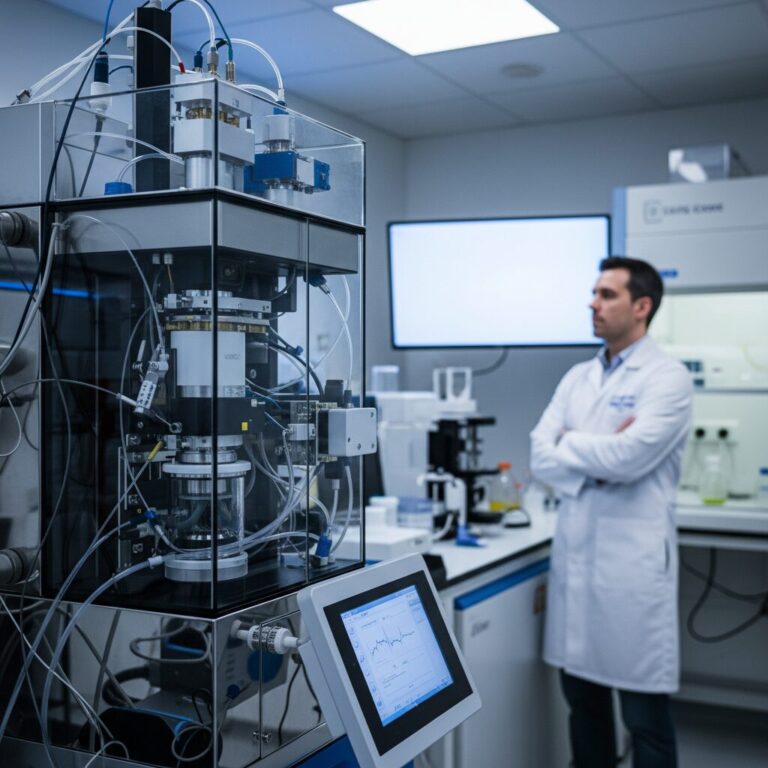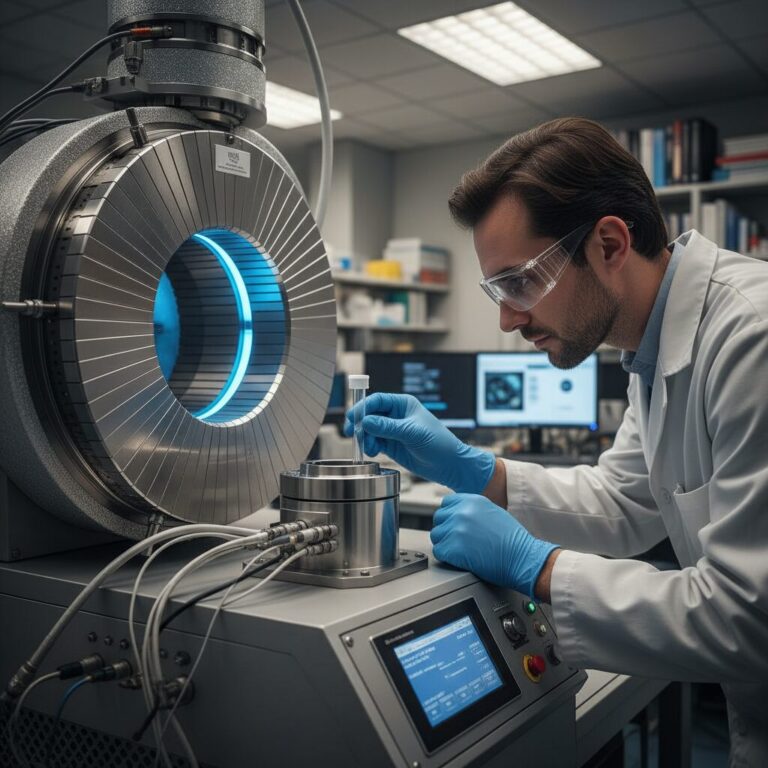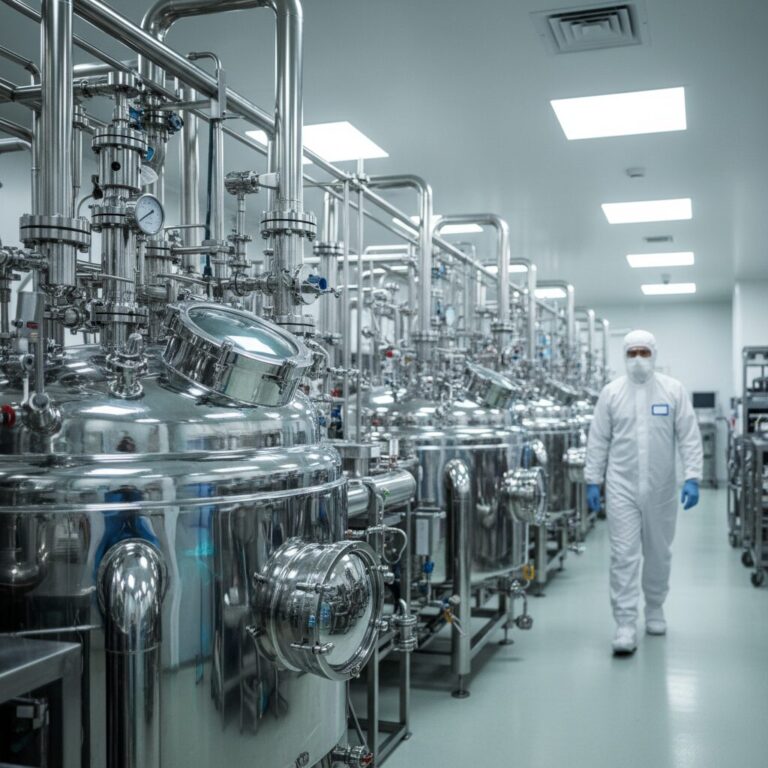


Hey there, science adventurers. Kai Rivera here, diving headfirst into today’s episode of Molecular Mayhem. If you love peptides, chemistry, and a little controlled chaos in the lab, you are in the right place. Molecular Mayhem is not about explosions or broken glassware. It is about precision.
It is about unlocking new peptide abilities using clever chemistry that skips metals entirely. And yes, it is as exciting as it sounds.
Peptides already run much of biology behind the scenes. Researchers use them to study cells, design drugs, and build smart materials. Mayhem enters when scientists figure out how to give peptides extra abilities without wrecking their delicate structures.
Recent research shows a practical metal-free way to add both alkyne and trifluoromethyl groups to peptides in a single transformation. That is a big deal for modern chemistry.
Peptides are short chains of amino acids. They sit between single amino acids and full-length proteins. Despite their size, peptides perform critical biological roles. They act as hormones, signaling molecules, antimicrobial agents, and enzyme regulators.
Molecular Mayhem thrives here because peptides are modular. Small changes can dramatically alter their behavior. Modify a peptide slightly and you can change how long it survives in the body, how tightly it binds to a target, or where it travels inside a cell.
Chemists love this flexibility, but traditional modification methods often come with harsh conditions. That is where the trouble starts.
An alkyne contains a carbon-carbon triple bond. In Molecular Mayhem terms, this is a universal connector. Alkynes participate in click chemistry reactions that proceed quickly, cleanly, and with high selectivity. When peptides carry alkynes, researchers can easily attach fluorescent probes, polymers, drugs, or surfaces.
This capability allows scientists to track peptides in cells, assemble complex molecular systems, or link peptides into multifunctional therapeutics. Alkynes bring precision and speed to Mayhem.
The trifluoromethyl group, also called CF3, brings a different kind of power. Three fluorine atoms create a compact and highly influential chemical group. When attached to peptides, CF3 groups often improve metabolic stability. They can reduce enzymatic breakdown and modify binding interactions.
In Molecular Mayhem, CF3 groups help peptides last longer and interact more selectively with biological targets. Researchers also value CF3 groups for tuning lipophilicity, which can influence membrane interactions in model systems.

For years, adding alkynes or trifluoromethyl groups required metal catalysts. Metals work well, but they come with downsides. They can contaminate products, raise costs, and complicate purification. In pharmaceutical research, even trace metal residues cause problems.
This is why Molecular Mayhem gets excited about metal-free chemistry. Recent advances demonstrate a metal-free trifluoromethylalkynylation of unsaturated amino acids and peptides. Scientists exploit naturally occurring unsaturated residues as reactive sites. These sites accept both functional groups under mild conditions.
The method uses an accessible trifluoromethylating reagent and avoids extreme temperatures or pressures. That keeps peptide backbones intact and simplifies workflows. Metal-free Mayhem means cleaner reactions, safer products, and broader adoption across labs.
Peptides already show promise in treating cancer, metabolic disorders, and infectious diseases. However, natural peptides degrade quickly and struggle with delivery. Molecular Mayhem offers solutions.
Alkyne-modified peptides allow researchers to attach imaging agents or delivery vehicles. Trifluoromethyl groups can improve stability in preclinical models. Together, these features support the design of more durable and traceable peptide therapeutics.
It is important to note that claims about blood-brain barrier penetration remain model-dependent. Molecular Mayhem provides tools, not guarantees. Each modified peptide still requires rigorous testing.
Drug discovery is only part of the story. Molecular Mayhem extends into materials science and chemical biology. Modified peptides can self-assemble into nanostructures. They can form responsive hydrogels or surface coatings.
Alkynes enable controlled assembly. Trifluoromethyl groups tune physical properties like hydrophobicity and durability. Together, they allow researchers to design smart materials from biological building blocks.
Before Molecular Mayhem sparks wild ideas, a serious warning matters. Research-grade peptides belong in controlled laboratories. Online peptide markets often lack quality control, purity verification, and safety oversight.
Metal-free chemistry does not mean risk-free use. Scientific advances aim to support regulated research and future clinical development. Self-experimentation remains unsafe and irresponsible. Mayhem belongs in peer-reviewed science, not DIY biology.
Molecular Mayhem represents progress through precision. Metal-free peptide modification expands what chemists can safely and efficiently build. It lowers barriers for innovation and encourages sustainable chemistry practices.
As researchers continue refining these methods, expect new peptide tools, smarter materials, and more reliable drug candidates. Molecular Mayhem does not replace biology. It empowers it.
So keep your goggles on and your curiosity sharp. Molecular Mayhem is just getting started.
Curious where peptide chaos might strike next? Drop a message and let’s explore the next controlled collision in chemistry. 🧪