

Peptide regulation compliance has become a defining challenge in today’s rapidly expanding peptide market. Researchers, startups, and compliance professionals are facing growing pressure as interest in peptides accelerates across medicine, fitness, and wellness.
While scientific research into peptides is not new, the pace of commercialization has far outstripped regulatory clarity. As a result, the gap between approved therapeutic peptides and unregulated compounds continues to widen.
This growing divide presents serious legal, ethical, and safety concerns. On one side are FDA approved peptide drugs that follow established development pathways. On the other is a booming grey market of so called research peptides that are widely promoted online without adequate oversight. Understanding peptide regulation compliance is now essential for anyone operating in this space.
Peptides are short chains of amino acids that influence many biological processes. Some peptides regulate hormones, while others affect metabolism or cell signaling. Insulin is a well known peptide that has been safely used in medicine for decades. Scientific research continues to explore how peptides might support treatment across a range of conditions.
However, peptide regulation compliance depends heavily on how a peptide is developed, marketed, and used. Approved peptide drugs such as Ozempic, which contains semaglutide, undergo extensive testing before they reach patients.
These products complete preclinical studies and multiple phases of human clinical trials under regulatory supervision from the U.S. Food and Drug Administration. This process confirms safety, dosing, and effectiveness for specific medical uses.
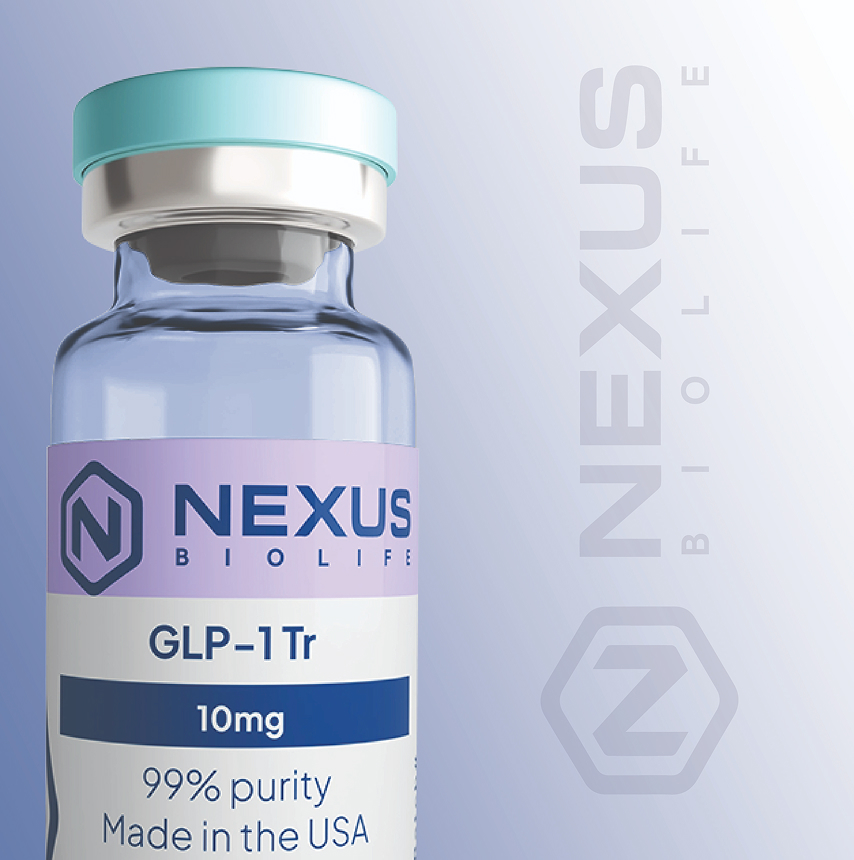
By contrast, many peptides sold online never enter this approval pathway. They are often marketed as research use only products, even though they are widely discussed for personal use. This distinction sits at the heart of current peptide regulation compliance challenges.
Online marketing has played a major role in shaping today’s peptide market. Social media platforms now host countless posts from influencers discussing peptides for weight loss, muscle gain, or longevity. These claims often rely on anecdotal stories rather than clinical evidence. In many cases, important information about regulatory status or potential risks is missing.

From a peptide regulation compliance perspective, this environment creates serious exposure. Products that are not approved for human use may still be promoted in ways that imply medical benefits. This disconnect increases the risk of enforcement action and undermines trust in legitimate research.
Regulators have made it clear that disclaimers alone do not protect companies if marketing suggests human use. Compliance requires alignment between product labeling, promotion, and actual intent.
To understand peptide regulation compliance, it is important to review how approved drugs reach the market. The FDA drug approval process includes preclinical testing followed by Phase I, Phase II, and Phase III clinical trials. Each phase answers specific questions about safety, dosing, and effectiveness.
This process is slow and expensive, but it protects public health. It also creates a clear legal framework for manufacturers, researchers, and healthcare providers. Approved peptide drugs benefit from this structure, even though it demands significant investment.
In contrast, unapproved peptides bypass these safeguards entirely. When companies rely on research use only labeling while knowing products may be used by individuals, they enter a legally unstable position. Peptide regulation compliance does not depend on intent alone. It depends on evidence, documentation, and responsible conduct.
Many unapproved peptides are sold under research use only labels. This approach attempts to place products outside direct drug regulation. However, peptide regulation compliance does not stop at labeling. Regulators assess how products are marketed, distributed, and discussed publicly.
When websites, influencers, or distributors imply personal use, the research label loses credibility. At that point, companies may face allegations of distributing unapproved drugs. This risk increases when products lack consistent quality control, verified purity, or accurate dosing.
Without clinical oversight, users may expose themselves to unknown risks. These risks include adverse reactions, contamination, or interactions with other substances. From a compliance standpoint, the absence of controlled trials means there is no reliable safety profile to rely on.
Peptides are often promoted in performance and fitness communities. Claims frequently reference scientific concepts such as AMPK, mTOR, or mitochondrial activity. These pathways are real and actively studied in early stage research. However, translating complex biology into consumer promises is rarely accurate.
Peptide regulation compliance requires careful separation between exploratory science and market claims. Early laboratory findings do not justify real world use without clinical validation. When marketing collapses this distinction, it misleads consumers and increases legal exposure.
Furthermore, many grey market peptides are produced in facilities without pharmaceutical grade standards. Users have no way to verify product contents or consistency. This uncertainty further underscores why peptide regulation compliance matters for both safety and credibility.
The unchecked growth of unregulated peptides affects the entire industry. It erodes public trust in peptide research and complicates the work of legitimate developers. Researchers conducting ethical studies must now operate in an environment crowded with misinformation and unrealistic expectations.
Startups also face difficult decisions. While shortcuts may appear attractive, weak peptide regulation compliance creates long term instability. Enforcement actions, product seizures, or reputational damage can derail a company overnight. In contrast, organizations that invest in compliance build durable value and credibility.
For researchers, peptide regulation compliance starts with rigorous study design and transparency. Well documented methods and ethical oversight help distinguish legitimate science from speculation. Publishing results responsibly also helps counter misinformation.
For startups, compliance should be treated as a core business strategy. This includes regulatory planning, quality control systems, and clear boundaries around marketing claims. Approved drugs like Ozempic demonstrate that long term success depends on validation, not speed.
For compliance professionals, ongoing monitoring is essential. The regulatory landscape continues to evolve, especially as online marketing expands. Reviewing influencer partnerships, promotional language, and distribution channels is now a critical responsibility.
Organizations should also educate stakeholders about the risks associated with unapproved peptides. Clear internal policies help prevent accidental violations and protect long term interests.
The future of the peptide market depends on stronger peptide regulation compliance across the board. Innovation does not need to come at the expense of safety or ethics. In fact, sustainable progress requires trust, evidence, and accountability.
As regulatory scrutiny increases, the divide between compliant and non compliant actors will become more visible. Those who choose the path of scientific rigor and regulatory alignment will shape the next chapter of peptide development.
Peptide regulation compliance is no longer optional. It is the foundation for credibility, consumer protection, and long term success.
All human research MUST be overseen by a medical professional.