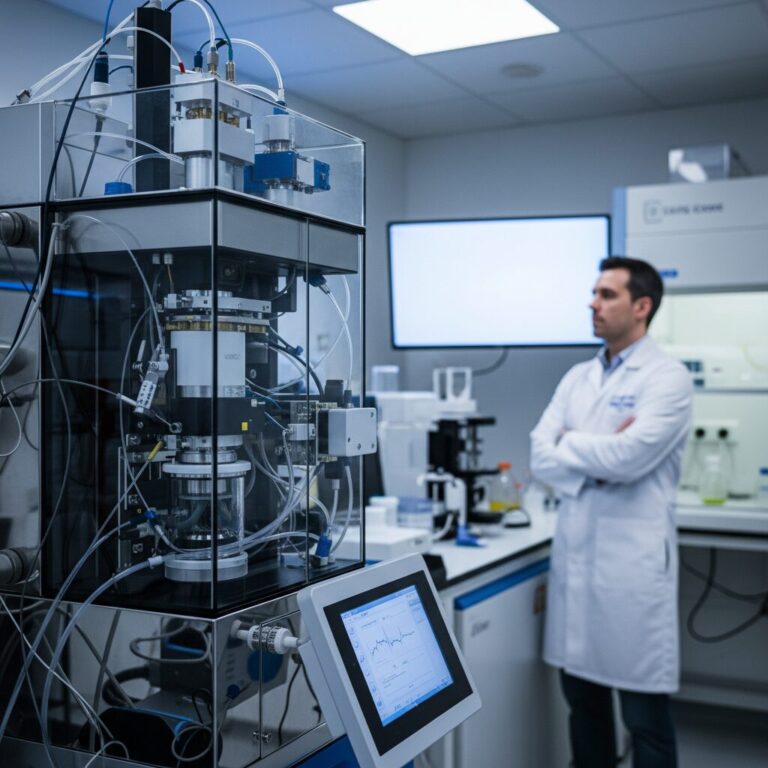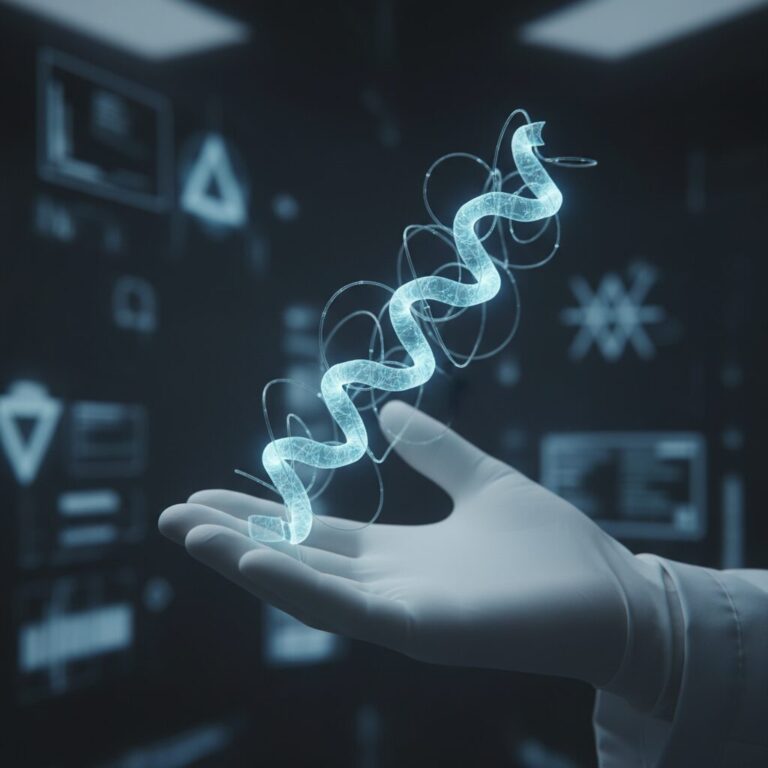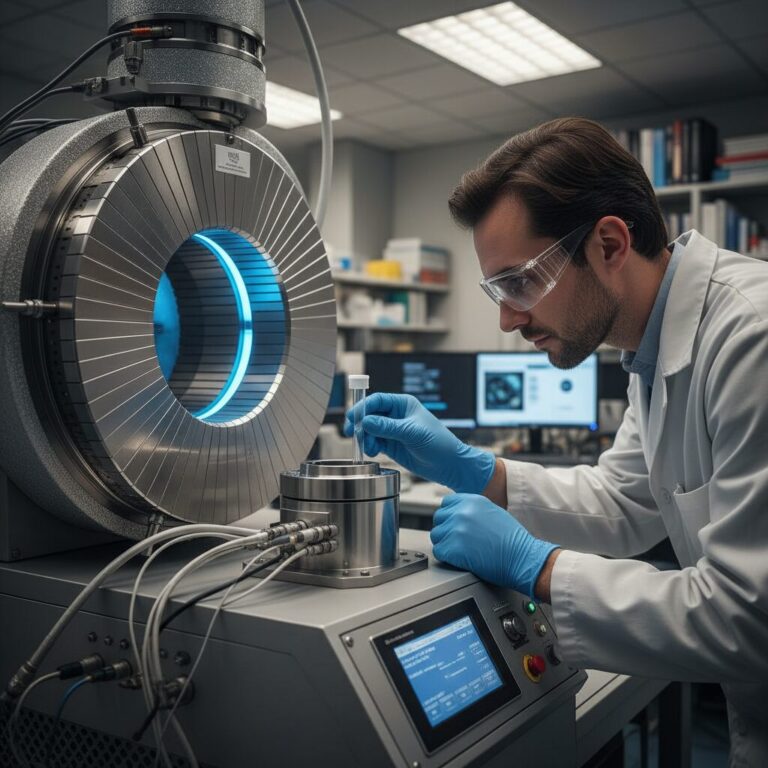

Alright fellow explorers and science nerds, buckle up. We are diving straight into the weirdest and coolest frontier of modern medicine, antimicrobial peptides hiding inside ancient human poop. Yes, you read that right. Antimicrobial peptides, or AMPs, are tiny protein warriors that our bodies and microbes have used for thousands of years to fight infections.
And now, thanks to cutting edge research tools and fossilized gut samples, these ancient antimicrobial peptides are making a serious comeback in the fight against modern superbugs.
Antimicrobial peptides matter because antibiotic resistance is no longer a future problem. It is a right now crisis. Infections that once bowed politely to antibiotics are now laughing in their faces. Scientists are racing to find new solutions, and surprisingly, some of the best answers are coming from the guts of our ancestors.
Antimicrobial peptides are part of the immune system’s oldest defense strategy. They are short chains of amino acids that can destroy bacteria by disrupting their membranes, blocking essential processes, or signaling immune responses. Unlike traditional antibiotics, antimicrobial peptides attack bacteria in multiple ways at once, which makes it harder for pathogens to evolve resistance.
Because of this, antimicrobial peptides are being studied as next generation therapeutics. Researchers believe they could complement or even replace certain antibiotics in the future. According to the World Health Organization, antimicrobial resistance is one of the top global health threats, which is why antimicrobial peptides are getting so much attention in research labs worldwide.

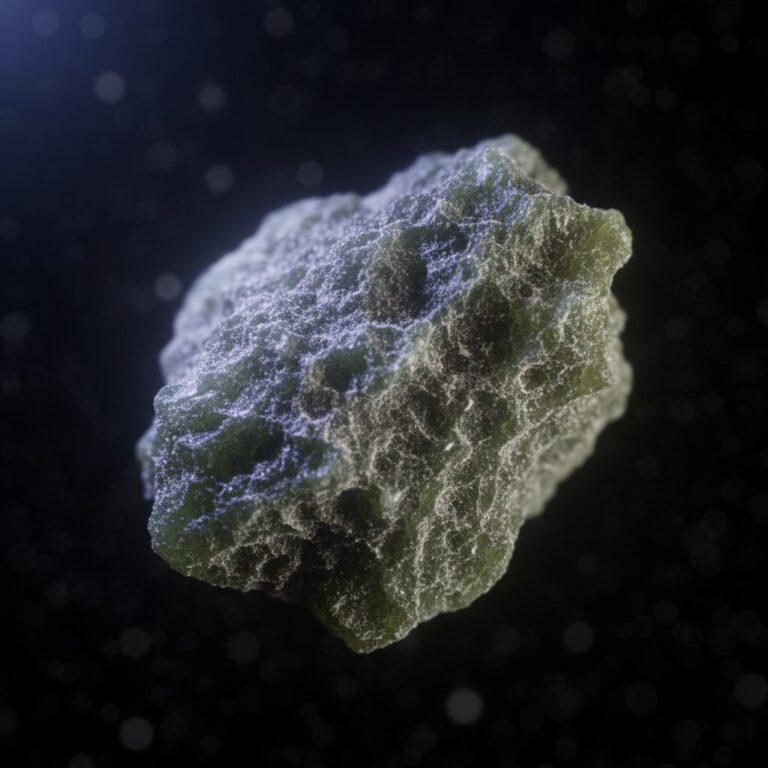
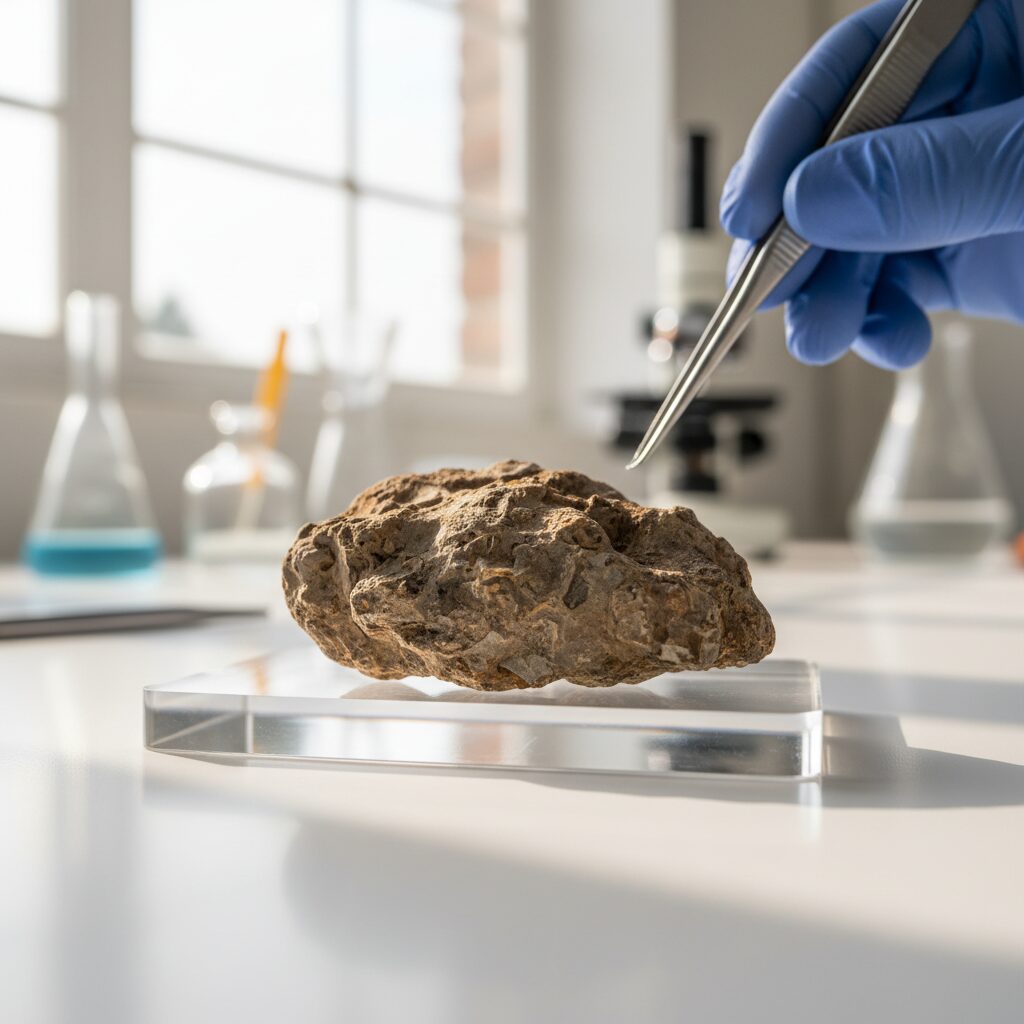
Here is where things get delightfully gross. Scientists have been analyzing coprolites, which are fossilized human feces, to understand what ancient gut microbiomes looked like. These ancient samples preserve microbial DNA that gives us a snapshot of how humans and microbes coexisted thousands of years ago.
When researchers examined these coprolites, they discovered that ancient gut microbes produced a rich variety of AMPs. Many of these AMPs are no longer common in modern humans. Our diets, sanitation, antibiotics, and lifestyle changes have dramatically altered gut diversity over time. As a result, we may have lost valuable microbial allies that once helped keep infections in check.
This realization has opened an entirely new research direction. Instead of only searching modern microbes for solutions, scientists are now mining ancient microbiomes for forgotten AMPs.
To uncover these hidden AMPs, researchers developed a computational tool called AMPLiT. This platform analyzes long read sequencing and transcriptomic data to identify genes that code for antimicrobial peptides within complex microbial communities.
Long read sequencing is especially important here. Unlike older sequencing methods that produce fragmented genetic data, long read sequencing provides more complete genetic blueprints. This allows tools like AMPLiT to accurately predict antimicrobial peptides that might otherwise go unnoticed.
In simple terms, AMPLiT acts like a high powered microscope for genetic data. It scans massive metagenomic libraries and flags promising antimicrobial peptides that could be tested in the lab.
One of the most fascinating discoveries made using AMPLiT involves an ancient gut bacterium called Segatella copri. This microbe was extremely common in ancient human populations but has declined significantly in many modern societies.
When scientists applied AMPLiT to ancient gut samples, Segatella copri stood out as a major producer of antimicrobial peptides. These antimicrobial peptides likely helped regulate microbial balance by suppressing harmful bacteria.
Today, Segatella copri still exists in some populations, especially where traditional diets are common. However, many industrialized societies have lost much of this microbial diversity. That loss may have reduced our natural antimicrobial peptide defenses without us even realizing it.
Antimicrobial peptides do not behave like traditional antibiotics. Instead of targeting one specific bacterial pathway, AMPs often attack multiple targets at once. This makes it harder for bacteria to adapt and develop resistance.
Another advantage of AMPs is their ability to work alongside the immune system. Some antimicrobial peptides also reduce inflammation or help immune cells respond more effectively. This multi functional behavior is one reason AMPs are so exciting for researchers.
However, antimicrobial peptides are not miracle cures. They must be carefully studied to ensure safety, stability, and effectiveness in humans.
Before anyone gets ideas about buying peptides online, let us pause right here. The antimicrobial peptides discussed in this research are experimental compounds. They are not supplements, wellness products, or biohacks.
The peptide grey market is full of unregulated and potentially dangerous products. These substances often lack purity testing, accurate labeling, or clinical validation. Using them can be risky and irresponsible.
Real antimicrobial peptide development follows a long scientific process. This includes laboratory synthesis, testing against pathogens, animal studies, and eventually human clinical trials. Anything outside that pipeline should be treated with extreme caution.
The rediscovery of ancient AMPs represents a powerful shift in how we approach medicine. Instead of only inventing new chemicals, researchers are learning from evolutionary history. Ancient microbes survived intense microbial competition for thousands of years. Their antimicrobial peptides are the result of that evolutionary arms race.
By studying ancient antimicrobial peptides, scientists may uncover new ways to combat resistant infections. This approach does not promise instant cures, but it offers something equally valuable, a fresh and diverse arsenal.
If you want to explore related research, you can link internally to your microbiome research content and externally to authoritative AMPs studies or antibiotic resistance resources from global health organizations.
Antimicrobial peptides remind us that innovation does not always mean something brand new. Sometimes it means rediscovering what we left behind. Ancient guts, fossilized poop, and forgotten microbes may hold keys to solving one of modern medicine’s biggest challenges.
With tools like AMPLiT and growing interest in AMPs, science is proving that the past still has plenty to teach us. And honestly, that is pretty amazing.
So if someone tells you ancient poop cannot change the future, feel free to politely disagree.
All human research MUST be overseen by a medical professional.