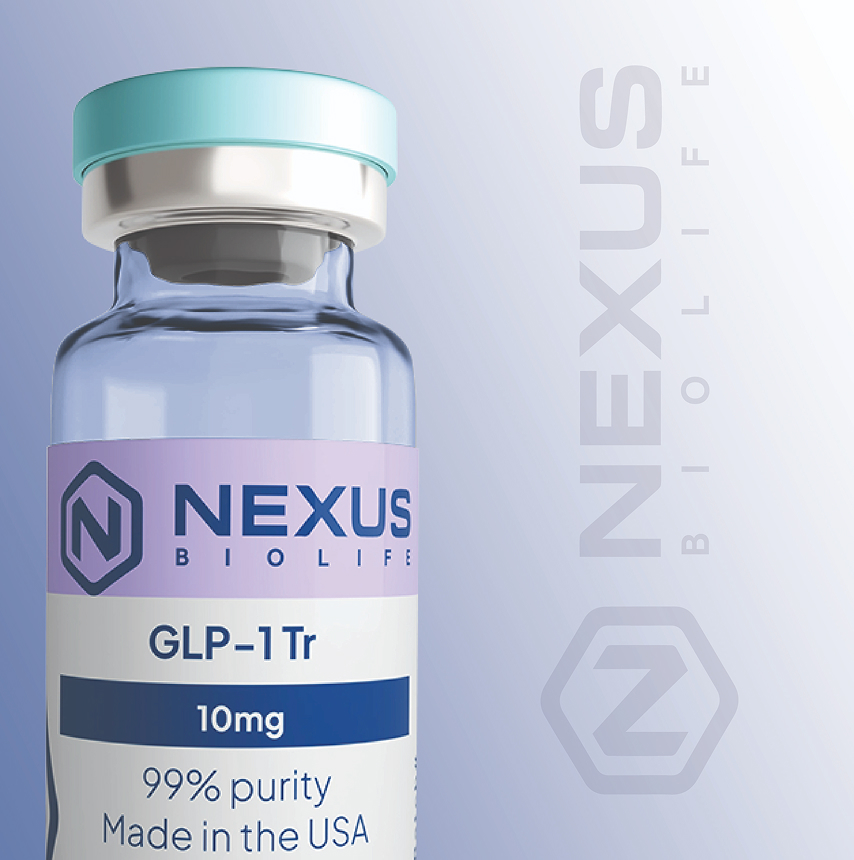


Peptide gray market regulation has become a growing concern as unapproved research compounds increasingly move from laboratory settings into consumer hands. Across the United States and globally, individuals are sourcing peptides, GLP-1 agonist analogs, and cosmetic injectables directly from international suppliers, often through social media platforms.
These products are then self-administered at home without medical oversight. While this trend may appear niche, it presents serious challenges for regulators, healthcare professionals, and legitimate peptide businesses.
At its core, peptide gray market regulation exposes the tension between public demand, regulatory enforcement, and scientific responsibility. The rapid growth of this market blurs the line between lawful research use and unauthorized human use, creating risks that extend far beyond individual consumers.
The peptide gray market primarily operates through online channels where compounds are sold as “research chemicals” or labeled “not for human consumption.” Suppliers, many based overseas, offer powdered peptides that buyers later reconstitute and inject themselves.
Communities on platforms such as Telegram, Discord, and TikTok facilitate this process by sharing supplier lists, dosing advice, and anecdotal results.
Price is a major driver. Gray market GLP-1 compounds are often advertised at a fraction of the cost of FDA approved medications or compounded prescriptions. While these figures are typically anecdotal and user-reported, the perceived affordability continues to attract consumers who feel priced out of traditional healthcare options.
As a result, peptide gray market regulation struggles to keep pace with demand fueled by cost, convenience, and online normalization.

From a legal perspective, peptide gray market regulation exists in a fragile and often misunderstood space. Under the Food, Drug, and Cosmetic Act, any product intended to affect the structure or function of the body is classified as a drug. This classification applies regardless of disclaimers when intent for human use is clear.
Companies selling peptides under the guise of research use only often rely on labeling strategies to avoid regulatory scrutiny. However, when marketing language, customer behavior, or instructional content implies human administration, these protections collapse. In such cases, the sale of unapproved peptides may constitute illegal drug distribution.
The FDA maintains that unapproved drugs cannot be marketed or sold for human use without undergoing extensive preclinical testing, clinical trials, and formal approval. Peptides circulating through the gray market bypass this entire framework, leaving regulators with limited visibility and consumers with no real safeguards.
One of the most serious issues driving peptide gray market regulation is safety. The lack of oversight creates multiple layers of risk that are often underestimated by users.
First, product purity and authenticity cannot be reliably verified. Certificates of Analysis provided by suppliers may be inaccurate or falsified. Without independent testing, buyers have no way to confirm what they are injecting.
Second, dosing errors are common. Online forums frequently mix milligrams and micrograms, creating the potential for severe overdosing or underdosing. Improper reconstitution, storage, or handling further increases the risk of degradation or contamination.
Third, administration risks are substantial. Self-injection without medical training can lead to infections, abscesses, nerve damage, or vascular injury. In cases involving cosmetic injectables or neurotoxins, incorrect placement can result in muscle paralysis, drooping eyelids, or impaired breathing.
These outcomes are not theoretical. They are documented complications seen in clinical settings when trained professionals make errors, let alone untrained individuals.
Peptide gray market regulation is receiving increased political attention, particularly as unapproved GLP-1 analogs and weight loss compounds flood the market. Lawmakers have urged federal agencies to address the importation of counterfeit and illegal medications, citing risks to public health and supply chain integrity.
Despite this attention, enforcement remains difficult. Peptides are relatively easy to manufacture, ship in small quantities, and mislabel. Online communities adapt quickly when suppliers are shut down. This creates a persistent enforcement gap that mirrors challenges seen in other illicit pharmaceutical markets.
Some participants openly dismiss regulatory threats, arguing that demand will always outpace enforcement. This mindset highlights the broader issue facing peptide gray market regulation: controlling access without addressing underlying economic and healthcare barriers.
For legitimate peptide researchers and biotech startups, peptide gray market regulation presents a reputational and operational risk. Public confusion between regulated research and unapproved consumer use can erode trust in the entire sector. When adverse events occur, they often reflect poorly on peptide science as a whole, even when responsible companies follow all regulatory requirements.
Additionally, increased scrutiny can lead to broader regulatory crackdowns that unintentionally burden compliant businesses. Researchers may face stricter sourcing rules, longer approval timelines, or additional reporting obligations due to the actions of gray market actors.
However, this challenge also presents an opportunity. Companies that prioritize transparency, quality control, and regulatory compliance can clearly differentiate themselves. Clear communication about clinical trials, manufacturing standards, and FDA pathways helps reinforce the value of legitimate science.
Peptide gray market regulation underscores the importance of proactive compliance strategies. Organizations operating in this space should regularly monitor FDA guidance related to compounded drugs, research chemicals, and biologics. Legal teams must assess not only product labeling but also marketing language, customer education materials, and distribution channels.
Supply chain integrity is equally critical. Vetting manufacturers, conducting independent testing, and maintaining detailed documentation can protect companies from downstream liability. For startups, early investment in compliance infrastructure often proves far less costly than retroactive enforcement actions.
Education also plays a key role. Helping the public understand why FDA approval exists, and what risks arise without it, supports both consumer safety and industry credibility.
The trajectory of peptide gray market regulation suggests increased scrutiny rather than relaxation. As demand for peptides and metabolic therapies continues to grow, regulators will likely focus on clearer enforcement signals, import controls, and digital marketplace monitoring.
For the legitimate peptide sector, the path forward depends on maintaining clear distinctions between research and unauthorized use. Without those boundaries, the entire industry risks being viewed through a lens of skepticism.
Compliance is not just a legal obligation. It is a strategic advantage. Staying informed, transparent, and aligned with regulatory expectations is essential for protecting both public health and the future of peptide innovation.
All human research must be overseen by a licensed medical professional.