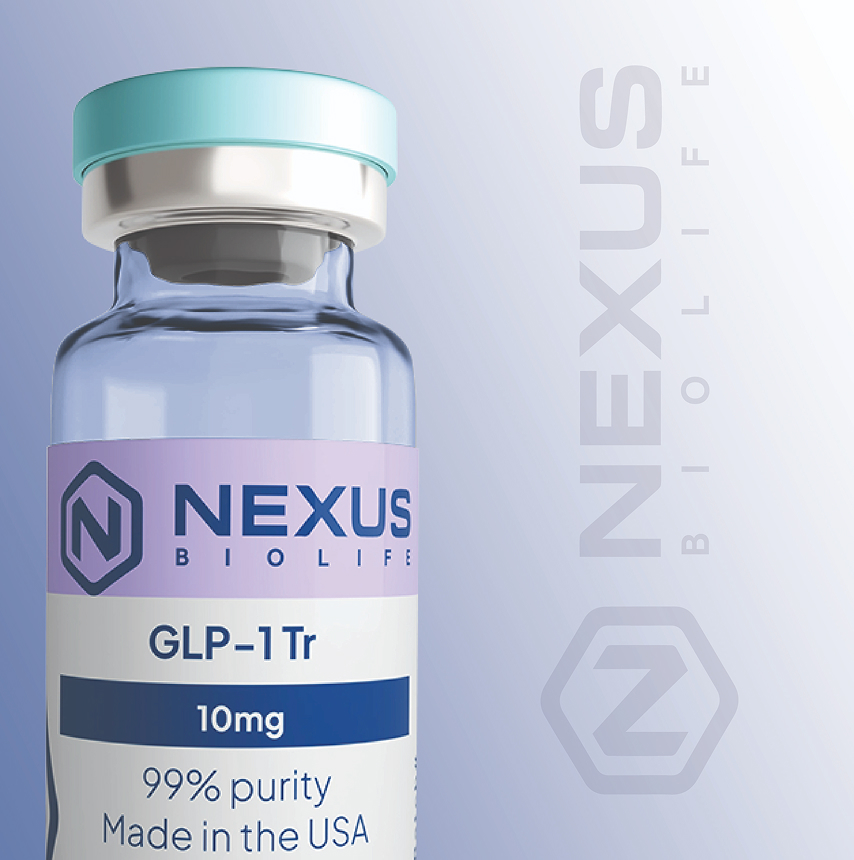


Health Canada unauthorized peptides are now firmly in the regulatory spotlight. In early 2026, Health Canada took enforcement action against two retailers in Maple Ridge, British Columbia, for selling unauthorized health products.
The seized items included injectable peptides, SARMs, anabolic steroids, and testosterone compounds. None of these products had received approval from Health Canada. As a result, they were considered illegal for sale in Canada.
This event is not just a local compliance issue. It is a clear warning to anyone involved in the peptide industry. Health Canada unauthorized peptides present real public health risks, and regulators are actively removing them from the market. Businesses, researchers, and distributors should pay close attention.

To understand Health Canada unauthorized peptides, it helps to look at how products receive legal approval in Canada. Health Canada requires every drug or natural health product to carry an official authorization number on its label. This number confirms that the product has been reviewed for safety, effectiveness, and quality.
Approved products carry one of the following identifiers:
If a product does not display one of these numbers, Health Canada considers it unauthorized. In the Maple Ridge case, inspectors also found products with falsified DINs. That issue raises even more serious concerns because it suggests intentional deception.
According to Health Canada, unauthorized health products may contain unsafe ingredients, incorrect dosages, or contaminants. When these products are injectable, the risks increase further. Infections, allergic reactions, and long term complications can occur.
Health Canada unauthorized peptides fall under Canada’s core health product laws. These include the Food and Drugs Act and the Food and Drug Regulations, administered by the Government of Canada.
These laws prohibit the sale of any drug that has not received proper authorization. Before approval, manufacturers must submit scientific evidence, manufacturing data, and quality controls to Health Canada. Only after this review can a product legally enter the Canadian market.
Peptides that are sold for human use are treated as drugs under this framework. Even if a peptide is naturally occurring, it still requires authorization when marketed for health, performance, or therapeutic purposes. Without approval, Health Canada classifies these products as unauthorized drugs.
Health Canada unauthorized peptides raise unique concerns. Peptides are biologically active compounds that can affect hormones, metabolism, and immune responses. Some peptides are legitimate prescription medications. Others remain experimental and are still under clinical investigation.
When companies sell injectable peptides without approval, they bypass all safety controls. There is no guarantee of purity, sterility, or accurate dosing. This creates serious risks for consumers. As a result, Health Canada closely monitors peptide distribution and marketing.
From a regulatory perspective, there is little tolerance for error. Even small retailers can face enforcement actions if they sell unauthorized peptide products. The Maple Ridge seizures clearly demonstrate this point.
Although the headline focuses on Health Canada unauthorized peptides, the enforcement action also included SARMs and anabolic steroids. These substances often appear alongside peptides in bodybuilding and performance markets.
Health Canada has issued warnings about SARMs due to links with heart attack, stroke, and liver damage. When sold without authorization, SARMs are treated as illegal drugs. Anabolic steroids and testosterone compounds are controlled substances in Canada. They require a valid prescription and medical supervision.
Selling any of these products outside the regulated system exposes businesses to significant legal risk. It also exposes consumers to serious health consequences.
Health Canada enforces compliance through its Compliance and Enforcement Policy for Health Products. This policy allows regulators to take proportionate action based on the level of risk.
For Health Canada unauthorized peptides, enforcement tools may include:
The presence of falsified authorization numbers escalates enforcement severity. A fake DIN undermines public trust and directly threatens consumer safety. Health Canada treats this behavior as a serious offense.
For legitimate peptide companies, Health Canada unauthorized peptides represent a strategic warning. Compliance is not optional, and enforcement does not target only large operators.
Businesses should take several steps seriously:
First, obtain proper authorization before selling any peptide product intended for human use. This includes submitting evidence, following good manufacturing practices, and receiving approval from Health Canada.
Second, conduct due diligence across the supply chain. Distributors and retailers remain responsible even if a supplier claims compliance.
Third, educate customers clearly. Consumers often misunderstand the legality of peptides. Transparent communication reduces risk and builds trust.
Finally, avoid grey market positioning. Enforcement trends show that Health Canada actively monitors online and retail channels.
From a public health perspective, Health Canada unauthorized peptides present unacceptable risks. Consumers may assume these products are safe simply because they are sold openly. In reality, unauthorized products may contain unknown substances or unsafe concentrations.
Health Canada urges consumers to verify authorization numbers and purchase prescription products only from licensed pharmacies. When in doubt, consumers should avoid products that lack clear regulatory approval.
Health Canada unauthorized peptides are no longer operating under the radar. The Maple Ridge enforcement action confirms that regulators are actively protecting public health through decisive action.
For the peptide industry, the message is direct. Compliance forms the foundation of credibility, safety, and long term growth. Companies that ignore authorization requirements expose themselves to legal consequences and reputational damage.
Operating within Health Canada’s regulatory framework is not a barrier to innovation. Instead, it supports responsible development and consumer trust. In a rapidly evolving peptide market, compliance is not just a legal requirement. It is a strategic necessity.
Compliance is strategy. Stay informed. ⚖️
All human research MUST be overseen by a medical professional.
¹ Health Canada. Compliance and Enforcement Policy for Health Products (POL-0001). Government of Canada, Last modified 2023-01-01.
² Government of Canada. Food and Drugs Act (R.S.C., 1985, c. F-27). Justice Canada, Last amended 2024-03-28.
³ Government of Canada. Food and Drug Regulations (C.R.C., c. 870). Justice Canada, Last amended 2024-03-28. (Specifically referencing sections pertaining to drug sale authorization, e.g., C.01.004 regarding Drug Identification Numbers).
⁴ Health Canada. Advisory: Health Canada warns Canadians about serious health risks of Selective Androgen Receptor Modulators (SARMs). Government of Canada, Published 2023-10-26.
Compliance is strategy. Stay informed. ⚖️
All human research MUST be overseen by a medical professional