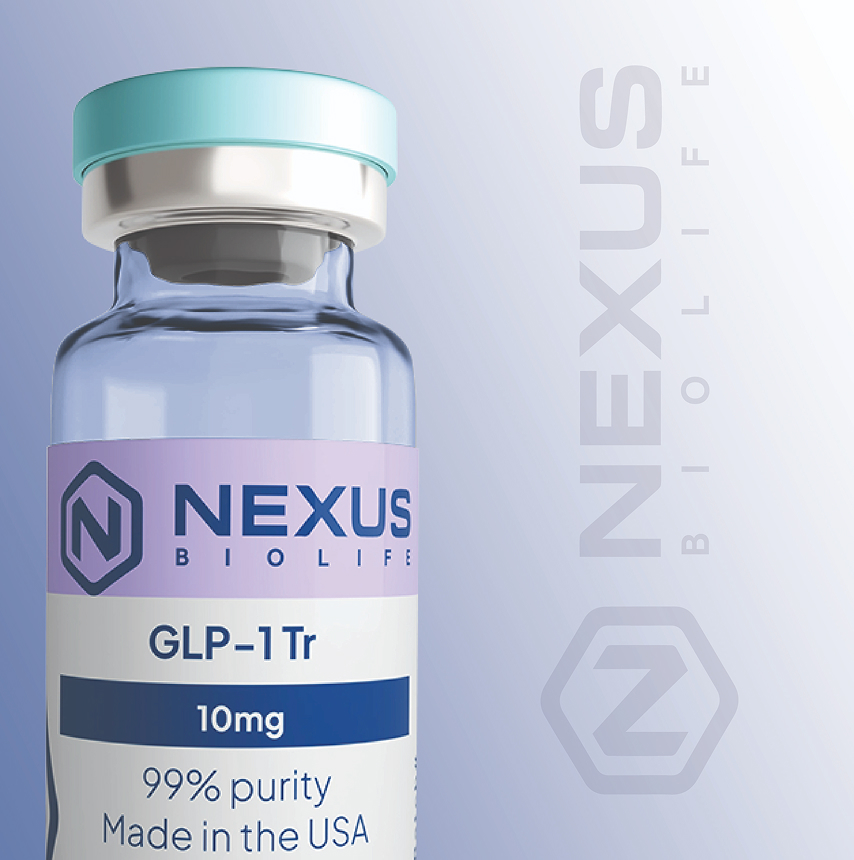


You know, there’s a lot of chatter out there about metabolism and how to keep our bodies humming along. GLP-1 liver protection offers real hope amid conflicting advice on Type 2 diabetes. Blood sugar control matters a lot. But tools for diabetes also shield your liver in surprising ways.
Liver issues do not just hit heavy drinkers. That myth needs busting. Millions face liver conditions tied to metabolic problems like Type 2 diabetes. GLP-1 liver protection changes the game. Data beats old ideas every time.
Now we swap dogma for facts. Let’s dive into the peptide action.
Our bodies produce tiny messengers called peptides. They shape how we feel and work. Glucagon-like peptide-1, or GLP-1, is one key player. Your gut makes it after meals. It signals food is coming.
GLP-1 triggers insulin release from your pancreas. Insulin lowers blood sugar. It slows stomach emptying so you feel full. It also curbs glucagon, a sugar-raising hormone.
Scientists created GLP-1 receptor agonists, or GLP-1RAs. These mimic natural GLP-1. They boost blood sugar control in Type 2 diabetes. They aid weight loss too. But GLP-1 liver protection goes further. These drugs fight inflammation. They improve metabolism body-wide.

Your liver works nonstop. It cleans blood and aids digestion. Trouble here brings big risks. Type 2 diabetes links tightly to liver woes. Your body mishandles insulin in this condition.
Many with Type 2 diabetes get non-alcoholic fatty liver disease, or NAFLD. Fat piles up in liver cells without alcohol. It hits those with obesity or metabolic syndrome hard.
Untreated NAFLD turns into non-alcoholic steatohepatitis, or NASH. Inflammation damages cells. Scarring, or fibrosis, follows. Cirrhosis scars the liver badly. NASH raises hepatocellular carcinoma risk. That’s liver cancer. Diabetes and liver health intertwine deeply.
Protecting the liver in Type 2 diabetes is huge. GLP-1RAs shine here. A key review studied HCC risk in diabetes patients. GLP-1RA use cut that risk. It beat insulin or old drugs like sulfonylureas.
Why? GLP-1RAs do more than glucose control. They tame liver inflammation. They shrink liver fat, or hepatic steatosis. They may slow fibrosis too. GLP-1 liver protection hits many targets.
Solo GLP-1RAs might protect best. More than with insulin combos. Studies continue to confirm this.
Fiction says insulin fits every diabetes case best.
Fact proves otherwise. Insulin saves lives in Type 1 and late Type 2. But GLP-1 liver protection gives an edge on HCC risk. Meds vary in benefits. Pick based on your health profile. Personal fit wins.
Fiction claims alcohol-free livers stay fine.
Fact shows NAFLD and NASH strike without booze. They tie to obesity, diabetes, cholesterol. They progress quietly to cirrhosis or cancer. Metabolism rules your liver. Eat smart. Move more.
GLP-1RAs excite researchers. They promise liver safety for diabetes patients. Evidence grows strong. But science evolves. We need long-term trials. RCTs will nail cause and effect.
Future work clarifies GLP-1 liver protection fully. It will guide best use against liver cancer in diabetes.
Understand your body. Change starts there. Learn together.
All human research MUST be overseen by a medical professional