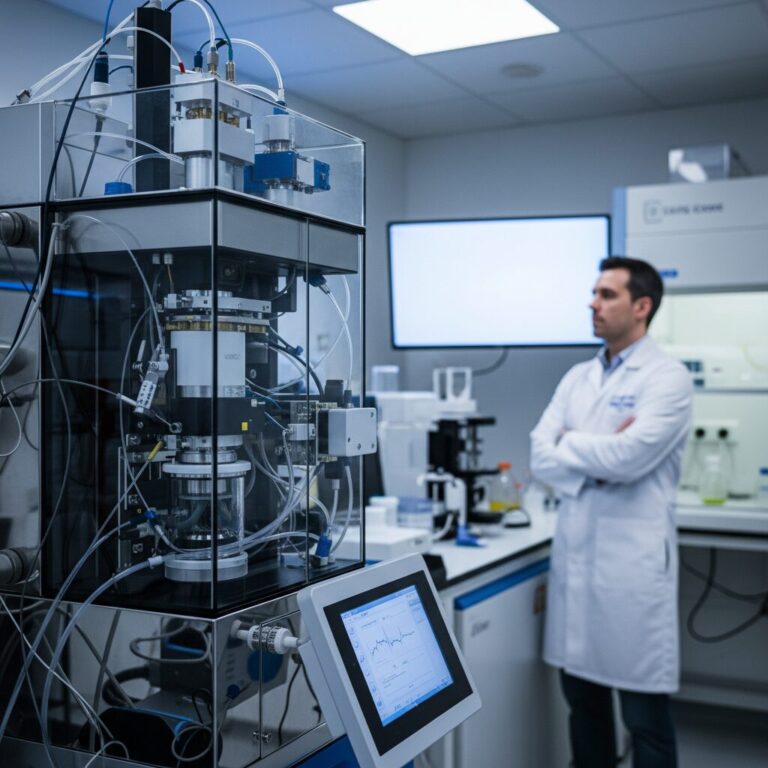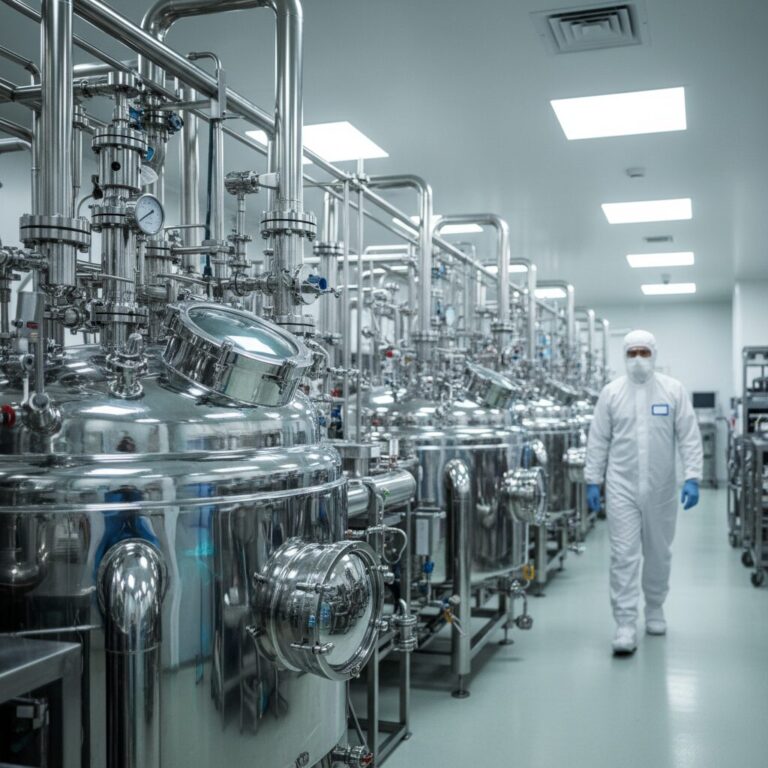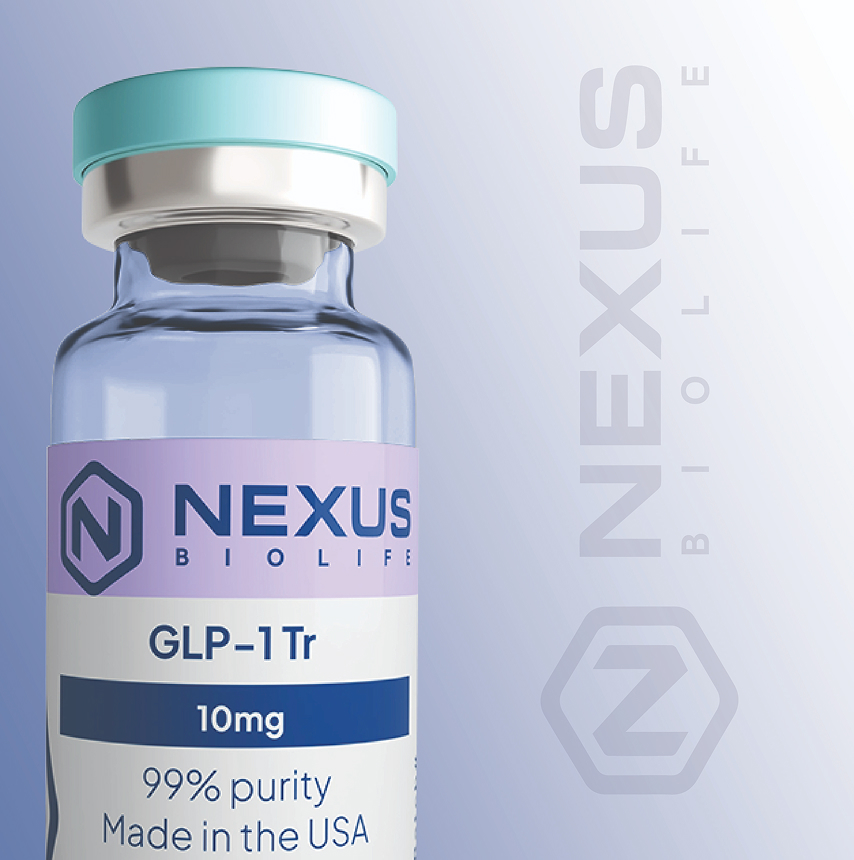


TFA-free peptide synthesis is transforming the way therapeutic peptides like Semaglutide are developed. Semaglutide, a GLP-1 receptor agonist, has become a cornerstone in managing Type 2 Diabetes Mellitus (T2DM), obesity, and cardiovascular disease.
Using TFA-free methods improves the safety, environmental profile, and purity of semaglutide peptides. These advances make large-scale peptide production more sustainable and patient-friendly.

Traditional peptide synthesis often uses trifluoroacetic acid (TFA) during cleavage and purification. While effective, TFA has drawbacks, including toxicity, environmental concerns, and potential peptide degradation. TFA-free peptide synthesis avoids these risks by using alternative acids or solvents during the cleavage step.
For semaglutide, which requires precise amino acid sequences and modifications for stability, TFA-free approaches ensure high-quality yields with minimal side products. This is critical because impurities can impact both efficacy and safety in clinical applications.
Semaglutide is a human GLP-1 analog engineered for glucose-dependent insulin secretion, suppression of glucagon, slower gastric emptying, and increased satiety. These effects make it highly effective for glycemic control, weight management, and cardiovascular risk reduction.
Using TFA-free peptide synthesis enhances the purity of semaglutide, which directly affects its pharmacological activity. Impurities from TFA cleavage can reduce efficacy or increase adverse effects. High-quality peptides ensure consistency across subcutaneous, oral, and high-dose formulations like Ozempic, Rybelsus, and Wegovy.
“GLP-1 receptor agonist” to NEJM GLP-1 review.
The SUSTAIN trials assessed once-weekly semaglutide in T2DM. Patients achieved HbA1c reductions of 1.5–1.8% and sustained weight loss of 4–6 kg. SUSTAIN 6 also demonstrated a 26% reduction in major adverse cardiovascular events (MACE).
In non-diabetic adults with obesity, semaglutide achieved a mean 15% weight reduction over 68 weeks. About 33.5% of participants lost ≥20% of their body weight. This magnitude of weight loss rivals bariatric surgery and highlights the importance of consistent peptide quality via TFA-free synthesis.
SELECT showed that semaglutide reduces MACE in overweight or obese individuals without diabetes. These cardiovascular benefits are partly attributed to weight loss and optimized peptide purity.
Enhanced Safety: No toxic TFA residues remain in the final product.
Improved Peptide Stability: Reduces degradation and side reactions.
Environmental Impact: Minimizes hazardous waste and solvent use.
Scalability: Supports large-scale manufacturing for global distribution.
By implementing TFA-free peptide synthesis, manufacturers can produce semaglutide that meets regulatory standards while maintaining pharmacological efficacy.
Semaglutide’s journey shows how peptide quality impacts approvals:
2017: Ozempic approved for T2DM (subcutaneous injection).
2019: Rybelsus approved as the first oral GLP-1 agonist.
2021: Wegovy approved for chronic weight management.
2024: FDA expanded Wegovy approval to reduce MACE risk.
High-quality peptide synthesis, including TFA-free methods, is essential for these approvals, ensuring safety, efficacy, and consistency across formulations.
While other GLP-1 receptor agonists exist, semaglutide’s robust clinical profile is enhanced by precise peptide engineering. Compounds like tirzepatide are emerging as competitors, but TFA-free peptide synthesis ensures that semaglutide remains high-purity, reproducible, and clinically effective.
The next generation of multi-agonist peptides will likely adopt TFA-free synthesis to maximize purity, stability, and patient safety.
Short-term: Adoption of TFA-free synthesized semaglutide continues to grow for T2DM, weight management, and cardiovascular risk reduction.
Long-term: Peptide synthesis innovations, including TFA-free methods, could expand semaglutide’s application to NASH, neurodegenerative diseases, and beyond.
The market for GLP-1 agonists is projected to grow, with TFA-free peptide synthesis enabling safer, more consistent, and scalable production.
TFA-free peptide synthesis is a critical advancement in semaglutide development. It improves safety, purity, and scalability while supporting the clinical efficacy that makes semaglutide a leader in managing diabetes, obesity, and cardiovascular disease. By embracing these synthesis methods, the pharmaceutical industry can deliver high-quality peptide therapeutics for patients worldwide.
All human research MUST be overseen by a medical professional
Stay ahead of the clinical curve; the next great peptide is already in Phase 2. 💊