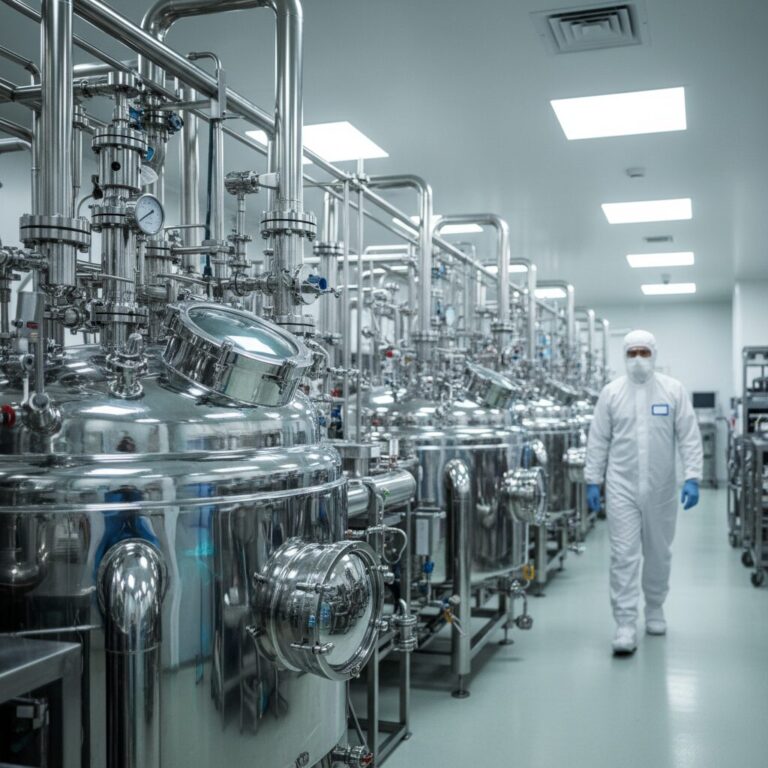

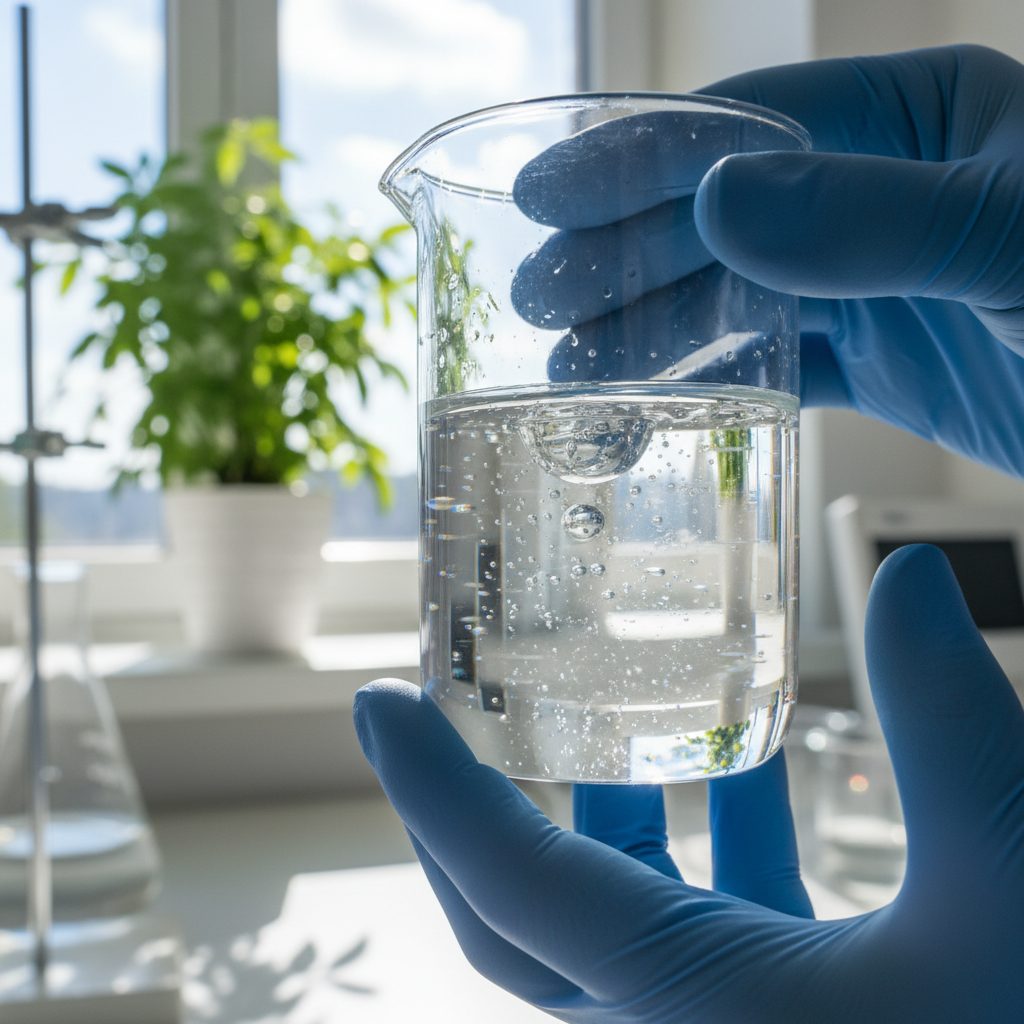
Hey fellow science adventurers and curious minds. I am back with another curious dive into the world of tiny but mighty biochemical heroes. To begin with, our journey starts with the incredible rise of TFA-free peptide synthesis. Yes, indeed, you read that right. In fact, TFA-free peptide synthesis is not just a fancy lab phrase. Instead, it represents one of the biggest shifts happening in modern peptide chemistry, and more importantly, it matters way more than most people realize.
Let us make it simple first. Imagine you are building a LEGO masterpiece, but instead of using clean snap blocks, you need a sticky glue to hold everything while you work. Then when you are done, you must use an even nastier chemical cleaner to remove all that glue. That cleaner works, but it is toxic, messy, hard to dispose of, and bad for the environment. That has been the story of peptide manufacturing for decades.
Traditionally, peptide chemists have relied on something called Trifluoroacetic Acid, also known as TFA. It is strong. It is reliable. It gets the job done. But it also belongs to a category known as PFAS or forever chemicals, which are harmful to the planet and extremely difficult to get rid of. So here comes the exciting twist. Scientists and innovators are successfully moving toward TFA-free peptide synthesis and that changes everything.
Now let us explore why this breakthrough matters, how it works, and why the future of peptides suddenly feels cleaner, safer, and way smarter.

Peptides may look tiny, but they play giant roles in life. They are short chains of amino acids that act as messaging molecules, healing supporters, hormone helpers, skincare superstars, and drug development heroes. They are used in insulin, cancer research, autoimmune therapies, regenerative medicine, muscle healing, and even advanced cosmetics.
Most lab made peptides today are created using Solid Phase Peptide Synthesis, often called SPPS. This incredible technique revolutionized science so much that its creator Robert Bruce Merrifield won the Nobel Prize in 1984 for it. SPPS basically works like building a LEGO tower on a tiny bead. You attach one amino acid at a time, while keeping everything carefully protected so it does not react incorrectly.
But here is where the problem begins. When the peptide is finally finished, you need to cut it off the solid bead and remove all those protective coverings. And for decades the main hero for that final cleaving job has been TFA. Strong. Powerful. Reliable. Yet unfortunately, deeply troublesome.
TFA works great scientifically, but environmentally it is like inviting a tornado to clean your kitchen. Yes it cleans, but it leaves chaos behind. TFA belongs to PFAS, chemicals that persist in water, soil, and living organisms for extremely long periods. Regulators globally are worrying more and more about PFAS because they contaminate ecosystems and possibly pose serious health concerns.
Waste disposal also becomes painful with TFA. You cannot dump TFA into normal systems. It needs expensive handling, controlled facilities, and extreme caution. Even then there is always a risk of contamination. Over time costs go up. Environmental pressure increases. Governments tighten regulations. Companies feel the heat. Scientists worry. The world begins asking a big question.
Can we do better?
Enter modern innovators such as Luxembourg Bio Technologies and several other chemistry leaders who began asking whether peptide chemistry really needed to depend on TFA forever. The answer turned out to be no. Through advanced experimentation scientists developed systems where peptides can be cleaved and deprotected without TFA at all.
The core idea of TFA-free peptide synthesis is simple. Replace harsh fluorinated acids with much safer alternatives. One promising approach uses formic acid combined with hydrochloric acid generated in situ, meaning created right inside the reaction vessel instead of being poured in separately. This allows better control, less hazard, and far fewer environmental worries.
But does it actually work in real life peptide production? Oh yes it does. And better than many expected.
First benefit compatibility. TFA-free peptide synthesis works beautifully with many of the most common protecting groups and peptide resins used in SPPS. That means labs do not need to throw away existing setups. They can switch with less pain, fewer changes, and way more confidence.
Second benefit easier purification. Traditional TFA often leaves residues that require extra purification steps. Extra purification means more time, more cost, and more complexity. TFA-free peptide synthesis significantly simplifies downstream processing. Fewer complications. Faster clean up. Happier chemists.
Third benefit environmental relief. Since TFA is part of the forever chemical family, avoiding it means reducing long lasting chemical pollution. Waste handling becomes simpler. Disposal costs drop. Environmental responsibility improves. Companies look better to regulators and customers.
Fourth benefit impressive performance. Studies and lab evaluations show that TFA-free peptide synthesis delivers high crude purity, strong yields, and low racemization. Racemization flipping amino acids into mirror shapes is bad news in peptide chemistry because it can ruin biological activity. So lower racemization is a big scientific win.
Fifth benefit scalability. TFA-free peptide synthesis is not just a laboratory toy. It can be used for research scale, pilot scale, and industrial scale peptide production. Pharmaceutical peptides. Cosmetic peptides. Research peptides. All benefit.
And here is the best part. Switching to greener processes shows that science cares not only about innovation but also responsibility. That matters for brands, regulators, customers, and the world.
Let us talk sustainability. Every industry is being pushed to think greener and biotechnology is no exception. PFAS regulations are tightening worldwide. Countries are demanding safer manufacturing. Pharmaceutical and biotech companies must prove responsibility. Cosmetic brands are expected to be cleaner.
TFA-free peptide synthesis directly supports these global sustainability goals. It helps reduce the accumulation of dangerous chemicals. By limiting environmental exposure, this method supports safer ecosystems. Hazardous waste costs also decrease, making processes more economical. Overall, it aligns science with environmental care instead of environmental harm.
Now let us get a little visionary. As TFA-free peptide synthesis grows, it strengthens confidence in peptide-based medicine. Researchers can innovate more freely. Manufacturing becomes less risky. Regulatory approval processes become smoother. Costs can reduce over time. Sustainability becomes part of science instead of being an afterthought.
Cosmetic companies get safer peptide-based skincare solutions. Pharmaceutical giants get cleaner production processes. Universities get greener lab environments. Startups get less expensive waste management. Patients benefit because everything supports better and safer science.
And this is just the beginning. TFA-free peptide synthesis is not simply a technical upgrade. It is a cultural upgrade for chemistry. It represents responsibility, innovation, environmental awareness, and smarter problem solving.
So yes, you can feel excited. TFA-free peptide synthesis truly is a breakthrough worth celebrating. Beyond reducing environmental impact, this innovation improves lab workflows and strengthens sustainability efforts.
Additionally, it helps protect ecosystems while opening doors to cleaner, smarter biotechnology. Most importantly, it proves that science can evolve responsibly without sacrificing efficiency.
From laboratory researchers to large pharmaceutical companies, everyone benefits from this evolution. Peptide chemistry gets greener. Manufacturing becomes smarter. The planet breathes a little easier.
And that my curious friends is the magic of innovation done right. Cleaner science. Smarter chemistry. A better future powered by something as small yet mighty as peptides. TFA-free peptide synthesis is not just a technical trend. It is a movement toward a more responsible scientific world.
Have a hidden peptide story to share or want to explore more curious peptide adventures? Reach out and let us discover something extraordinary together.
All human research MUST be overseen by a medical professional.