
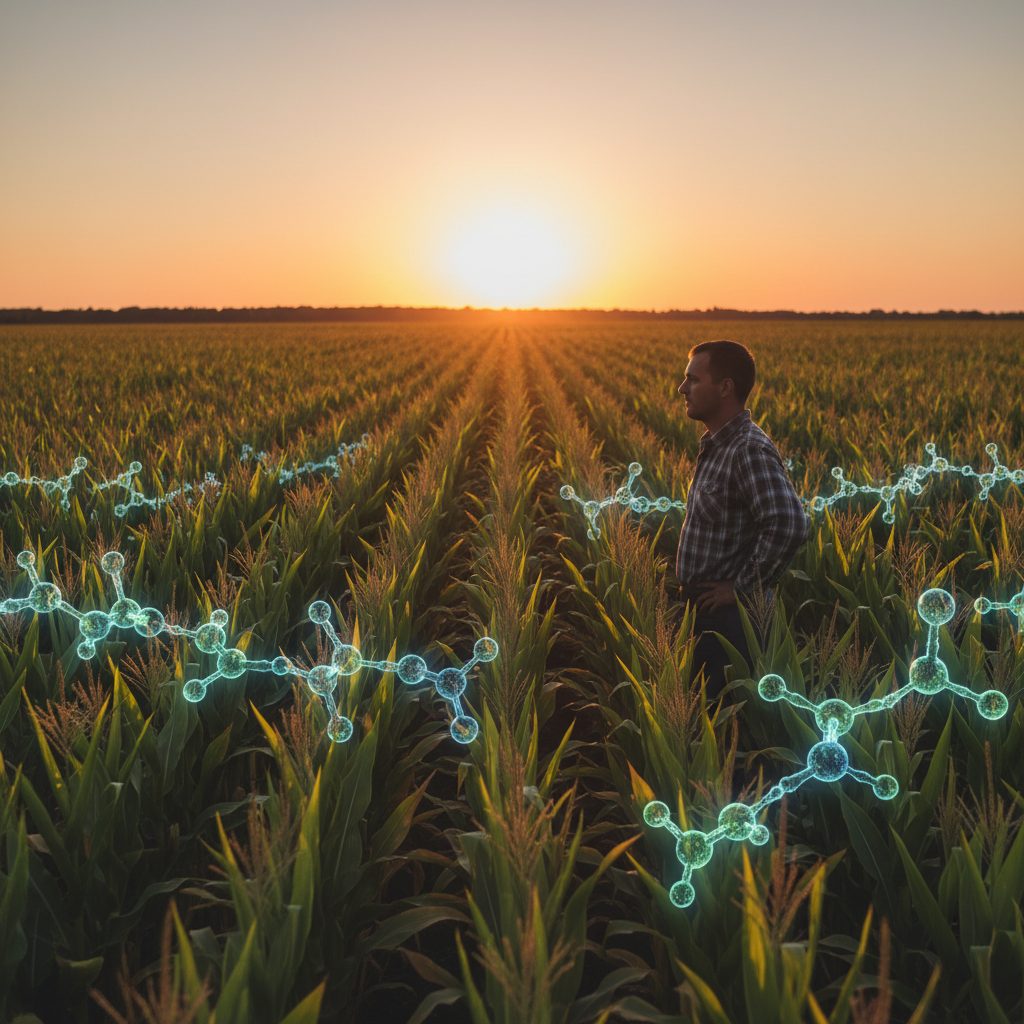
Every season brings its own headaches, crop diseases, livestock health issues, rising feed costs, and pressure to squeeze more yield from every acre. Farmers are always looking for something that actually moves the needle. That is where peptides in agriculture enter the picture.
These natural biological molecules are showing real potential to improve crop resilience, strengthen animal health, and boost long-term farm profitability. In other words, they may be the quiet little workhorses your farm has been waiting for.
And yes, the name sounds like something cooked up in a fancy lab. But peptides are not futuristic gimmicks. They are naturally occurring molecules already found in plants, animals, and soil ecosystems. Now, scientists are finding new ways to use them to make everyday farming smarter, more efficient, and potentially more sustainable.
Think of your farm as a complex machine. Every part must work together to produce healthy crops and thriving livestock. Peptides in agriculture act like tiny managers in this system, short chains of amino acids that regulate growth, immunity, and communication inside living organisms.
For crops, peptides work like an internal defense system. When a plant is stressed by disease or pests, peptides help activate natural protective responses. Research shows that plant peptides can:
This is similar to upgrading the internal wiring of your tractor. The plant becomes sturdier from the inside out.

Let us look at a realistic scenario. Assume applying peptides reduces fungal-related crop loss by 5 percent. For a corn grower with 500 acres averaging 180 bushels per acre at 4 dollars per bushel:
These numbers are hypothetical but based on standard yield math. Results depend on product quality, delivery method, and environmental conditions.
Now shift to the livestock side. Peptides also play important roles in animal health, especially in the gut. Think of them as highly targeted helpers that support digestion and immunity.
Peptides can create a healthier microbial environment by discouraging harmful bacteria and allowing beneficial microbes to thrive. When digestion improves, nutrient absorption improves as well. This increases feed efficiency, something every livestock producer values.
Certain peptides, called antimicrobial peptides (AMPs), act as natural defenders in the immune system. They help animals fight infections early, reducing dependency on antibiotics while supporting overall welfare.
Research has shown that AMPs can serve as promising alternatives to conventional treatments in livestock production.
Imagine a herd of 200 feeder cattle where respiratory illness typically affects 10 percent of animals. If peptides help reduce that rate by 10 percent:
Depending on feed cost, that can translate into thousands of dollars.
Peptides are powerful, but they are also delicate. Sunlight, heat, digestive enzymes, and moisture can break them down before they reach their target.
To solve this, researchers are developing new delivery methods such as:
These advances are essential for bringing peptides in agriculture into mainstream use.
While the technology is still emerging, the potential is significant. Peptides may help farmers:
In short, the future of farming is not only about bigger equipment or stronger chemicals. It may be about smarter biology.
Grow smarter, not harder. Let the molecules do the heavy lifting. 🌱
Regulatory and Medical Disclaimer: This article does not constitute medical advice. Information regarding peptides is for research and educational purposes only. Peptides are often sold as research chemicals and are not regulated as dietary supplements or medications for human use unless explicitly prescribed by a medical doctor. All research or potential human application of peptides requires strict oversight by a licensed medical professional.