

When it comes to metabolic health, many people feel uncertain. We are surrounded by simple advice like “eat less,” “move more,” or “cut carbs.” But improving metabolic health is not only about willpower or counting calories.
Our bodies are complex systems with built-in mechanisms that regulate energy, hunger, and fat storage. These mechanisms communicate constantly through small yet powerful messengers called peptides and hormones. Understanding this internal communication is the key to achieving long-term metabolic health rather than temporary results.
Improving your metabolism starts with working with your body’s natural rhythms, not against them.
Your body runs on a network of hormones and peptides that work together to maintain balance. Think of them as your internal GPS guiding hunger, fat storage, and blood sugar regulation.
Here are a few major players that influence metabolic health:
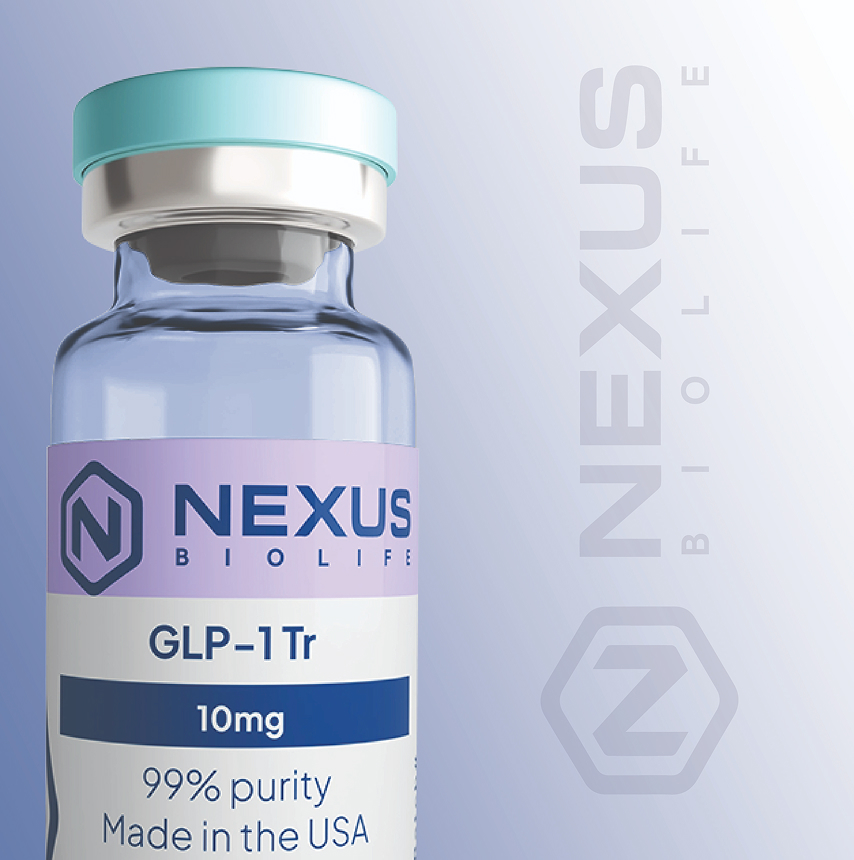
GLP-1 tells your brain when you are full and slows digestion. It helps control blood sugar by supporting insulin production. It plays a vital role in appetite and energy balance.
GIP works with GLP-1 to help your pancreas release insulin when you eat. It also influences how your body stores and uses fat, both critical factors for good metabolic health.
Glucagon is often viewed as insulin’s opposite, but it is also a key player in fat metabolism. Proper glucagon signaling helps your body burn stored fat and prevents excess liver fat buildup.
This receptor in your brain acts as a listening station. When peptides activate it, it helps regulate hunger, energy levels, and calorie burning, all of which are essential for maintaining metabolic health.
In the past, most treatments focused on targeting one peptide or hormone at a time. However, metabolic health is not controlled by a single switch. It is a combination of many interconnected systems.
Multi-receptor agonists are specialized peptides that activate multiple metabolic pathways at once. Scientists are developing compounds that target GLP-1, GIP, and Glucagon together, creating a more comprehensive way to support metabolic health.

Clinical studies show that multi-target peptides can lead to greater weight reduction and improved blood sugar control compared to single-target treatments. This represents a major step forward for metabolic health research.
Myth: Weight loss and metabolic health are only about calorie restriction.
Fact: Your metabolism involves complex systems that regulate hunger, satiety, and energy use. Simply eating less often triggers your body to fight back through stronger hunger signals.
Modern research shows that improving metabolic health depends on aligning natural systems rather than relying solely on willpower. Multi-receptor peptides help balance hunger, stabilize blood sugar, and support better long-term well-being.
Metabolic health extends far beyond weight control. A key area of research focuses on liver health, especially a condition called Metabolic Dysfunction-Associated Steatohepatitis (MASH).
MASH occurs when fat accumulates in the liver, leading to inflammation and scarring. It is linked to obesity, insulin resistance, and poor metabolic health rather than alcohol use.
Studies show that GLP-1-based therapies, such as semaglutide, can reduce liver fat and improve liver function. In patients with moderate or advanced MASH, semaglutide has demonstrated measurable improvement in liver tissue and function.
Science is shifting the conversation from blame and restriction to understanding and empowerment. Instead of fighting our biology, we can learn to work with it.
By targeting multiple pathways, new therapies offer a smarter, evidence-based approach to improving metabolic health. These methods focus on harmony rather than short-term fixes.
When we understand how our body’s signals work, we can create balance, sustain energy, protect our liver, and maintain healthy weight management.
True metabolic health starts with awareness and understanding. By learning how peptides, hormones, and receptors work together, you can move from frustration to control.
This is the era of smart health where science helps us live in alignment with our body’s natural intelligence.