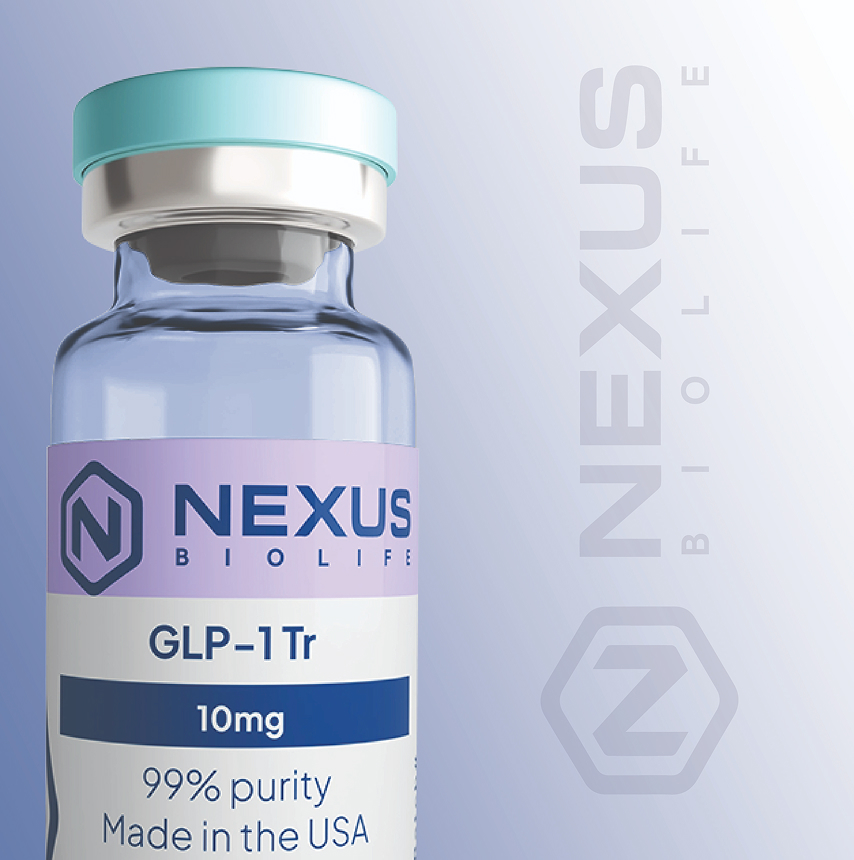


It feels like every other day there’s a new diet craze or a “secret” trick for weight and blood sugar. Honestly, it’s exhausting. Most of the time, it leaves us more confused than empowered. We’re told to just “eat less, move more,” as if our bodies were simple calculators. But they’re not. Our bodies are complex systems full of tiny messengers called peptides that control how we process food and energy.
But here’s the thing our bodies are incredibly complex. They’re full of tiny messengers called peptides that play major roles in how we process food and manage energy. In fact, these signals help keep everything running in balance. However, sometimes these messages get a little garbled, and that’s when things start to go off track.
What if improving our metabolic health wasn’t about willpower alone, but about understanding these crucial signals and how science is learning to help them work better? That’s what we’re going to explore today. We’re going to look past the quick fixes and dive into the real science, the kind that offers lasting clarity, not just temporary hope.

Now that we’ve swapped dogma for data, let’s zoom in and see the machinery at work starting with the peptide messengers.
You know, our bodies are constantly communicating with themselves. Think of it like a giant, bustling city where millions of messages are sent every second. Peptides are some of the most important messengers in this city.
They are small chains of amino acids, sort of like miniature proteins, that tell different parts of your body what to do. Many of these peptides are key players in your metabolism how your body turns food into energy and manages things like blood sugar and hunger.
For a long time, scientists knew these peptides existed, but they were tricky to work with. Why? Because they often broke down super fast in the body, sometimes in just a few minutes! Imagine trying to deliver an important message, but the paper it’s written on dissolves before it even leaves your hand.
That was the challenge. This meant that any medicine trying to use these natural peptides would need to be taken constantly, which isn’t very practical for daily life.
Fiction: Many people believe that metabolic issues like type 2 diabetes or obesity are simply a result of a lack of discipline or eating too much. This idea, honestly, overlooks the deep biological processes at play.
Fact: While diet and exercise are undeniably crucial, your metabolic health is also heavily influenced by hormones, genetics, and how your body’s internal messaging system works. Peptides like GLP-1 (Glucagon-Like Peptide-1), for instance, are natural hormones that help control blood sugar, slow stomach emptying, and can even make you feel fuller.
When these natural signals aren’t working as they should, it makes managing weight and blood sugar a much harder uphill battle, regardless of willpower alone. We’re learning that sometimes, our bodies need a little help to get these natural signals back on track.
This is where some truly groundbreaking science comes in. Researchers have figured out clever ways to modify these natural peptides so they can stay active in your body for much, much longer. It’s like taking that dissolving message paper and laminating it, so the message can get where it needs to go and stick around to do its job.
One of the coolest ways they do this is by adding tiny “fatty-acid chains” to the peptide molecule. Imagine a small tail made of fat attached to the peptide. This fatty tail isn’t just for show; it’s a game-changer. Here’s why:
This breakthrough in design means that what once might have required daily, or even multiple daily doses, can now potentially be given as a once-a-week treatment.
This dramatically improves how easy it is for people to stick with their treatment plans, which, let’s be real, is a huge deal when you’re managing a long-term condition like diabetes or obesity.
Fiction: Some folks think that all treatments for conditions like diabetes or obesity just force your body into submission or are a “band-aid” solution.
Fact: Modern metabolic peptide therapies are far more sophisticated. For example, GLP-1 receptor agonists (fancy term for medicines that mimic GLP-1) work by activating the same receptors that your natural GLP-1 hormone would³.
This means they’re not forcing your body into an unnatural state; they’re amplifying and supporting your body’s own existing systems to better regulate blood sugar and appetite. The goal isn’t to override your biology, but to help it function more effectively, bringing it closer to a healthier balance.
Let’s talk specifically about GLP-1 analogs. You might have heard of them. These are peptides designed to act just like your natural GLP-1 hormone. Your body releases GLP-1 after you eat. It has several important jobs:
By making these GLP-1-like peptides last longer with those fatty-acid tails, scientists have created powerful tools that can continuously help manage blood sugar and weight throughout the week with just one dose. Clinical trials have shown significant improvements in blood sugar control and body weight reduction in people using these sustained-action formulations². This isn’t just a small tweak; it’s a fundamental shift in how we can support metabolic health.
Understanding these scientific advancements isn’t about promoting specific drugs, but about appreciating the incredible progress in metabolic research. It’s about recognizing that metabolic health isn’t a moral failing, but a complex biological dance involving many players, including these peptide messengers.
Knowing how these sophisticated strategies work can empower you to have more informed conversations with your healthcare provider and to better understand the options available for supporting your metabolic well-being.
The science is constantly evolving, always pushing towards more effective, convenient, and body-friendly ways to help us live healthier lives. This journey of discovery helps us challenge old assumptions and embrace a future where understanding our body’s internal workings leads to real, lasting improvements.
Understanding your body is the first step to changing it. Let’s learn together. 🔬
Regulatory and Medical Disclaimer: This article does not constitute medical advice. Information regarding peptides is for research and educational purposes only. Peptides are often sold as research chemicals and are not regulated as dietary supplements or medications for human use unless explicitly prescribed by a medical doctor. All research or potential human application of peptides requires strict oversight by a licensed medical professional.